
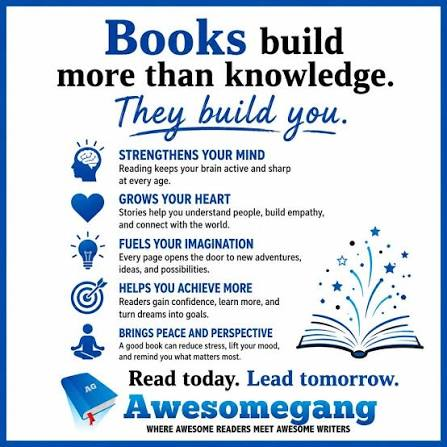
Books are much more than entertainment; they are powerful tools that help children grow intellectually, emotionally, and socially. From a baby’s first picture book to a teenager’s favorite novel, reading and storytelling strengthen the brain, expand imagination, and teach valuable life skills. Stories introduce children to new ideas, cultures, and experiences while helping them better understand themselves and others. Whether shared at home, in the classroom, or at the library, reading creates meaningful connections that can last a lifetime.
Growing Young Minds Through Early Reading
During infancy and the preschool years, reading plays an important role in healthy brain development. Looking at pictures, naming objects, asking simple questions, and encouraging children to predict what happens next strengthen attention, memory, and language skills. Rhyming books and repeated phrases help young children recognize sounds, laying the foundation for learning to read.
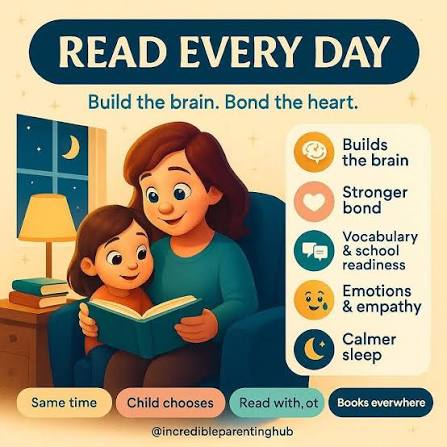
Reading together also creates comforting routines, especially before bedtime. Giving children opportunities to turn pages, describe illustrations, or retell the story in their own words builds confidence and keeps them actively involved. Keeping books within easy reach encourages children to explore stories whenever curiosity strikes.
Building Strong Language and Communication Skills
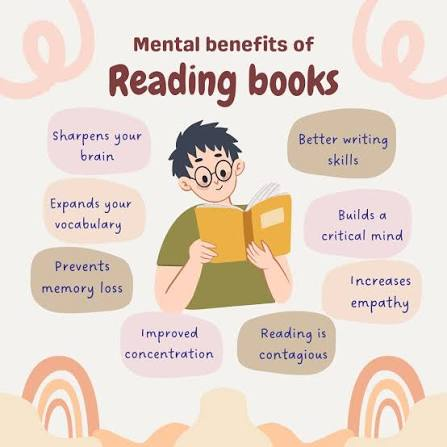
Every story introduces children to new vocabulary, sentence structures, and ways of expressing ideas. Books often contain words and phrases that children may never hear in everyday conversation, helping them become stronger readers, writers, and speakers. As children read more, they naturally improve their spelling, grammar, and ability to communicate clearly.
Discussing characters, settings, conflicts, and themes after reading strengthens comprehension and critical thinking. Reading aloud remains valuable even for older students because it exposes them to more advanced language than they might choose independently. Encouraging children to summarize what they have read helps reinforce understanding and improves long-term memory.
Learning Kindness Through Different Perspectives
Stories allow readers to experience life through someone else’s eyes. By following characters through challenges, successes, and difficult decisions, children learn empathy and develop a deeper understanding of emotions. Fiction helps students practice seeing situations from multiple perspectives before facing similar challenges in real life.
Reading books that feature people from different cultures, backgrounds, and experiences also encourages acceptance and respect for diversity. Activities like reader’s theater, classroom discussions, and storytelling circles give every child an opportunity to express ideas while building confidence and communication skills.
Strengthening Focus, Organization, and Academic Success
Reading regularly develops important thinking skills that support success across every school subject. Following storylines teaches sequencing, while remembering details strengthens working memory. Predicting outcomes and adjusting those predictions as the story unfolds improves flexible thinking and problem-solving abilities.
Students who read frequently also become better at following written directions, understanding textbooks, and solving word problems. Simple strategies such as taking notes, highlighting important ideas, or pausing to write quick reflections transform reading into an active learning experience. Like any skill, reading stamina grows over time through consistent daily practice.
Fueling Creativity, Innovation, and STEM Thinking
Imagination is at the heart of both storytelling and scientific discovery. Every invention begins with curiosity, just as every story begins with the question, “What if?” Reading encourages children to think creatively, imagine possibilities, and develop original solutions to problems.
Storytelling also helps students explain scientific ideas more clearly. Whether describing an engineering project, presenting research, or solving a math problem, organizing information into a story makes complex ideas easier to understand. Activities such as creating science comics, writing fictional inventor journals, or turning experiments into adventure stories combine creativity with critical thinking.
Supporting Emotional Well-Being and Personal Growth
Books provide children with a safe place to explore difficult emotions and challenging life experiences. Reading about characters who overcome fear, anxiety, grief, or disappointment reminds children that they are not alone and that challenges can be overcome. Stories often provide comfort while teaching healthy coping strategies.
Writing journal entries, creating alternate story endings, or imagining new adventures for favorite characters gives children another way to process their own feelings. Reading together as a family also strengthens relationships and creates comforting routines during periods of change, such as moving to a new home or starting a new school.
Finding the Right Balance Between Print and Technology
Today’s readers have more choices than ever before. Traditional books encourage deep concentration with fewer distractions, while e-books provide convenient access and customizable features like adjustable text size. Audiobooks improve listening comprehension and vocabulary, making stories more accessible for emerging readers and multilingual learners.
Rather than replacing printed books, digital resources work best when used alongside them. Teaching children how to search for reliable information, take digital notes, and avoid distractions helps them become thoughtful readers in both physical and online environments. The most important goal is simply helping children develop a consistent reading habit.
Creating Lifelong Reading Habits at Home and School
Building a love of reading doesn’t require expensive materials or long study sessions. Small, consistent habits often have the greatest impact. Family read-alouds, classroom book clubs, library visits, and buddy reading all make reading more enjoyable and social. Keeping books in frequently used places, such as bedrooms, backpacks, or living rooms, encourages spontaneous reading throughout the day.
Giving children choices is equally important. Graphic novels, magazines, poetry, nonfiction, and short stories all count as valuable reading. When adults regularly read for their own enjoyment, children are more likely to develop positive attitudes toward books as well. Just a few minutes of reading every day can build skills that last a lifetime.
A Skill That Lasts a Lifetime
Reading and storytelling are among the most valuable gifts adults can give children. They strengthen the brain, expand vocabulary, encourage creativity, build empathy, and improve academic achievement across every subject. More importantly, stories help children understand themselves, connect with others, and develop confidence as they grow. Whether it’s one picture book before bed, a chapter after school, or a family trip to the library, every page turned helps build a brighter future, one story at a time.
– AMEYA BHARDWAJ
MUST READ: ROBOTICS ISN’T JUST STEM—IT’S TEAMWORK, IDENTITY, AND CONFIDENCE
