
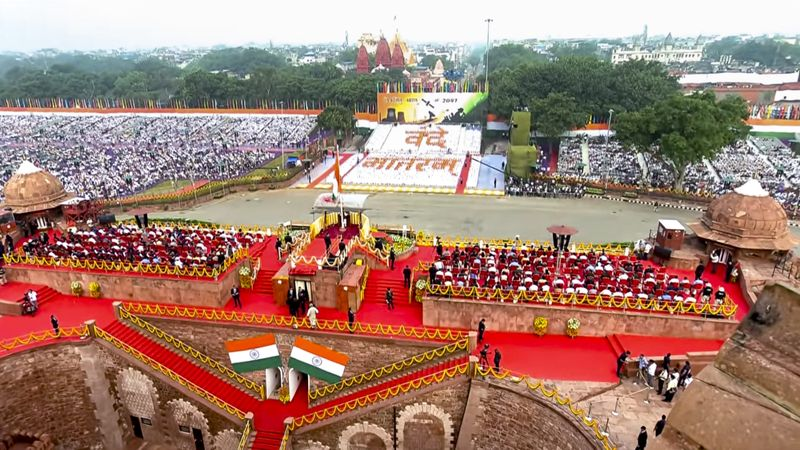
India’s Independence Day celebration on August 15, 2026, carried special significance as the country marked its 80th year of freedom. From the Red Fort in Delhi to small towns and villages across the nation, the day was observed with flag-hoisting ceremonies, cultural programs, tributes to freedom fighters, and speeches that reflected on the journey from 1947 to the present.
The national ceremony in the capital set the tone for the rest of the country. Prime Minister Narendra Modi hoisted the Tricolor and addressed the nation, outlining a vision for a developed India by 2047. The theme for 2026 focused on “Yuva Shakti for Viksit Bharat@2047,” highlighting the role of young people in shaping the country’s future.
A Historic Milestone for the Nation
The 80th Independence Day celebration was more than a routine annual event. It represented eight decades of sovereignty, democracy, and nation-building, and it invited citizens to reflect on both achievements and challenges.
In his address, the Prime Minister paid tribute to Mahatma Gandhi and all freedom fighters who sacrificed their lives for the country. He recalled the long struggle for independence and emphasized that the spirit of that struggle must continue to guide India as it moves toward its centenary of independence in 2047.
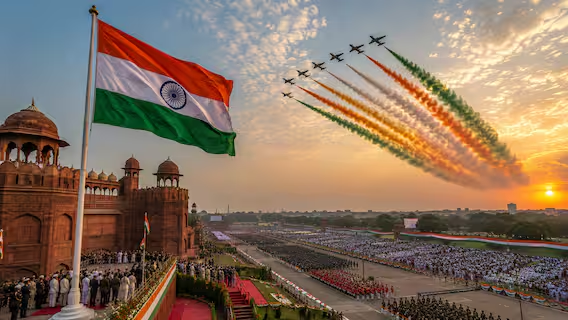
The Red Fort Ceremony and National Pride
The Red Fort has long been the symbolic heart of India’s Independence Day celebration. On August 15, 2026, it witnessed the customary flag-hoisting, a parade, and cultural performances that showcased the country’s diversity and unity.
For the first time, “Vande Mataram” was formally incorporated into the Red Fort ceremony on Independence Day, marking 150 years of the song. This addition reinforced the emotional connection between the national anthem, the freedom struggle, and the collective identity of the nation.
Themes of Youth, Development, and Reform
A central focus of the 2026 Independence Day celebration was the role of youth in building a developed India. The government highlighted the idea that young people must be active participants in education, innovation, employment, and civic responsibility if India is to achieve its 2047 goals.
The Prime Minister’s speech introduced a seven-point reform framework called “Saptadhara,” which touched on areas such as manufacturing, technology, infrastructure, governance, and self-reliance. He also made a direct appeal to young citizens to contribute time and energy to national initiatives, including the upcoming census.
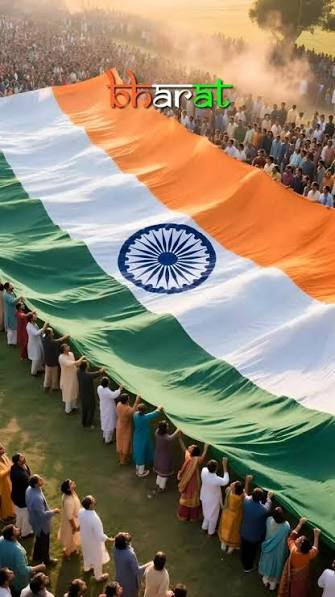
Celebrations across Schools, Colleges, and Communities
Beyond the national ceremony, the Independence Day celebration unfolded in schools, colleges, offices, and local communities. Students participated in flag-hoisting events, patriotic songs, essay competitions, and debates on topics such as freedom fighters, the meaning of liberty, and India’s development journey.
Many institutions encouraged students to deliver short speeches on themes like the sacrifices of freedom fighters, the importance of unity in diversity, the role of women in the freedom struggle, and the responsibilities of citizens in a democratic country. These activities helped younger generations connect emotionally with the history and significance of August 15.
The Meaning of the Day for Ordinary Citizens
For millions of Indians, the Independence Day celebration is a moment of personal and collective pride. Families wake up early to watch the Red Fort ceremony on television, display the Tricolour at their homes, and participate in local events organized by schools, housing societies, and community groups.
The day also serves as a reminder that freedom is not only a historical fact but also an ongoing responsibility. Citizens are encouraged to think about how they can contribute to national progress through education, hard work, ethical behavior, respect for the Constitution, and care for the environment.
A Speech for the Future
The 2026 Independence Day celebration concluded with a forward-looking message. Leaders, educators, and speakers across the country urged citizens to remember the sacrifices of the past while focusing on the tasks ahead: strengthening the economy, improving education and healthcare, protecting the environment, and ensuring that development reaches every corner of India.
As the nation moves from 80 years of independence toward 100 years in 2047, the day’s speeches and ceremonies reinforced a simple idea: India’s greatest strength lies in its people. If citizens remain united, disciplined, and committed to the values of the freedom struggle, the dream of a developed, confident, and inclusive India can become a reality.
-RITOBROTA BANERJEE
MUST READ: Jantar Mantar Protest: A Powerful Day of Hope and Hurting
