
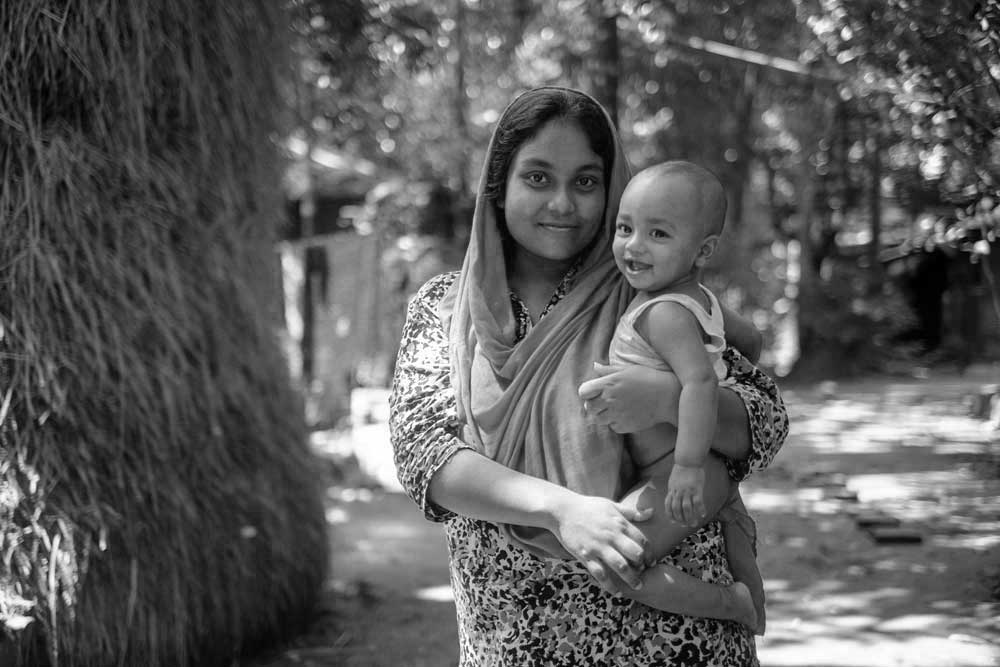
The Mental Health Stigma Women Face
“Mental health” in India is an extremely taboo topic that is only talked about in hushed tones and very rarely. When it comes to gender, it is even more so for women. Cultural perspectives frequently stereotype the emotional distress of women to be a tactic of manipulation or even weakness; thus, several women decide to conceal their “mental balance” problems. Such stigma makes the call for a timely consultation to be overlooked due to the lack of dialogue. The silence around “mental health” issues in women maintains a vicious circle of indifference and misunderstanding not only in families but also at the community level.
Even in the case of well-educated people, “mental health” is a subject that is hardly talked about, especially in conservative environments. Women are always apprehensive of being excluded socially or discriminated against, and hence they suffer in silence. Since there aren’t any safe spaces for them to voice their concerns, a lot of them decide to keep their problems to themselves, thus perpetuating the falsehood that those who struggle with “mental balance” are inherently flawed individuals, whereas in reality, they are just like any other patients who require care and respect.
How Societal Pressures Exacerbate Psychological Strain
Societal pressures hamper women significantly; thus, their “mental health” issues escalate without being noticed most of the time. Indian women are subjected to a range of expectations, starting from being in charge of the household to, at the same time, keeping up appearances in society. The struggle of the professional, the mother, and the wife, together with constant fear of being judged by society, leaves the women little to no time for their “mental balance.”
The non-stop call for the juggling of different roles leads to women developing chronic stress and anxiety. The stereotyped image of women as perfect caregivers and nurturers does not leave any room for vulnerability. That is why, usually, women’s “mental health” goes downhill in silence and is rarely recognized until it is followed by more serious psychological and physical health problems, which, therefore, call for a radical change in society’s perception of these unrealistic expectations.
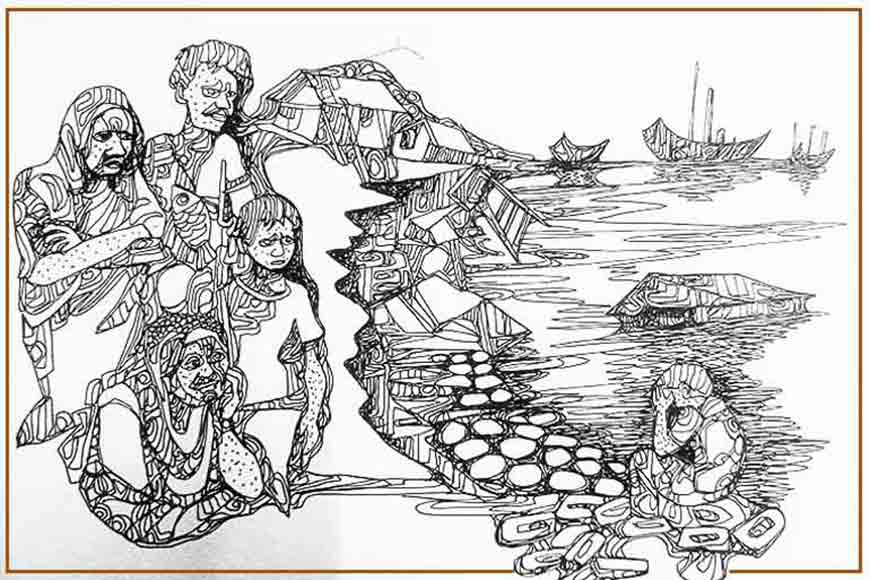
Impact of Domestic Violence and Harassment on Mental Well-being
Domestic violence and harassment are the main causes that lead to the deterioration of women’s “mental health,” as they result in emotional traumas that usually outlast the physical ones. The group of women who had to endure the harsh side of life shows a higher percentage of depression, anxiety, post-traumatic stress disorder (PTSD), and suicidal tendencies. The psychological traumatic effects make it difficult for the victims to recover, as they may lose contact with their social support network and become economically disadvantaged.
Besides that, the main repercussion of mental health problems due to harassment is that it limits the victim’s freedom and lowers their self-esteem. Most of the time, the terror and guilt that the survivors feel keep them from reporting their abusers, thus increasing the depth of their “mental health” problems. Integration of domestic violence as an issue both in the policy field and practice is not only extremely necessary for physical safety but also important for the protection of “mental balance.”
Access and Barriers to Women’s Mental Health Care in India
While there is some recognition, a multitude of barriers stand in the way of Indian women getting proper “mental health” care. Lack of “mental health” professionals, shortage of funds, presence of stigma, and ignorance of resources available to be used are issues that take a toll on women. The disadvantage faced by women in rural areas in terms of access to emotional health services that are affordable and culturally sensitive is very significant.
The “mental balance” infrastructure is at its infancy stage, and the specific needs of women are not adequately met in public health programs. There is always a stigma and misinformation even on the occasions when the services are available, and hence women are discouraged from making use of them. It is essential to establish gender-sensitive emotional health services that are readily available to break down these barriers and provide real support to women all over India.
The Role of Family and Community Support Systems
Family and community substantially contribute to the outcome of women’s “mental health.” Positive family support can build up the person’s strength, give him/her the necessary encouragement, and even make the intervention possible at the early stages of the emotional health crisis. On the opposite side, the negative, judgmental, and uninformed attitudes of the family towards the issue can exacerbate the psychological distress and hinder the women in their help-seeking efforts.
The community, through awareness and education, can put an end to the stereotypes that are linked to “mental balance.” Equipping families and community leaders with the knowledge of the same leads to the creation of supportive environments that become the healing spaces for the women, and in these places they are able to grow further. The bolstering of these support structures is indispensable if there is to be a long-lasting fix for women’s “mental balance” problem situation in diverse socio-cultural settings.
Toward a Safer, Supportive Future: Policy and Awareness Needed
Forming a world where the “mental health” of women is one of the priorities is not possible without broad-ranging changes in policy and awareness campaigns. Some of the changes that can lead to different results are the inclusion of such services in the list of primary health resources, training of health personnel in gender-sensitive ways, and breaking the stigma around “mental health.” To this effect, awareness programs held at schools, workplaces, and communities may play a role in the prevention of and early intervention in “mental health” issues.
The government-sponsored schemes need to tackle the complex socio-cultural and economic problems that women face. The combined efforts of legislators, professionals, and grassroots organizations can create the perfect-fit solutions that not only observe the cultural norms but also promote “mental balance” literacy. It is only through these joint and determined actions that India will be able to bridge the “mental balance” gap for its women, thus creating the much-needed supportive environments where invisible wounds may be healed.
-RITOBROTA BANERJEE
Must Read: BEHIND THE SPARKLE: THE SILENT SUFFERING OF FIRECRACKER INJURIES
