
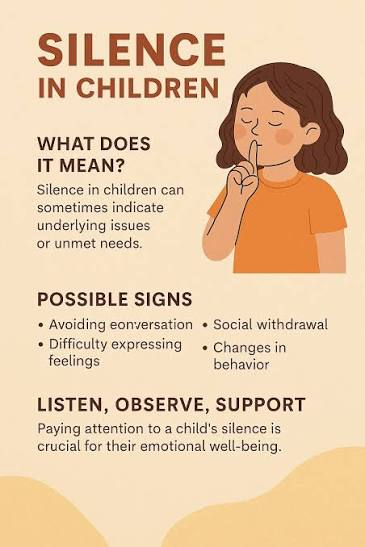
There are children who cry loudly, and there are children who suffer in silence. The children of silence are those who carry burdens too heavy for their small shoulders but never speak about them. They sit in the back of classrooms, play alone in corners, and smile when asked if they are okay, even when their hearts are breaking.
This article is about those children—the ones whose pain is invisible, whose struggles are overlooked, and whose voices remain unheard. It is a story that unfolds in cities and villages across India, where millions of children of silence navigate poverty, neglect, academic pressure, and emotional isolation without anyone noticing the cracks forming inside them.
They are everywhere, yet invisible. They are among us, yet alone. Their silence is not peace; it is pain that has learned to stay quiet. They are the children who have learnt that their feelings are inconvenient. Their silence is not emptiness; it is a language we have forgotten how to read. We walk past them every day, never noticing the storms inside their small chests.
The Weight of Unspoken Struggles
For many children of silence, the day begins before sunrise. Some wake up to the sound of parents arguing; others to the silence of an empty home where both parents work long hours just to put food on the table. There are children who cook their own meals, pack their own bags, and walk to school alone, not because they want to, but because no one else is there to do it for them.
These children learn early that their needs are secondary. They see their parents exhausted, their teachers overwhelmed, and their communities stretched thin. So they swallow their fears, hide their tears, and pretend that everything is fine. They become experts at masking pain, believing that speaking up will only add to the burdens of those they love.
The Classroom Where No One Sees
In schools, the children of silence are often the ones who never raise their hands. They sit quietly, nod when called upon, and complete their assignments without complaint. Teachers may describe them as “well-behaved” or “low-maintenance”, not realising that this behaviour is often a sign of deep emotional distress.
Some of these children struggle to read or write but are too afraid to ask for help. Others are bullied but never report it, fearing that they will be labelled as weak or troublesome. A significant number face learning poverty, unable to read basic text by age ten, yet they remain invisible in a system that prioritises enrolment numbers over actual learning outcomes.
The Digital World and Emotional Isolation
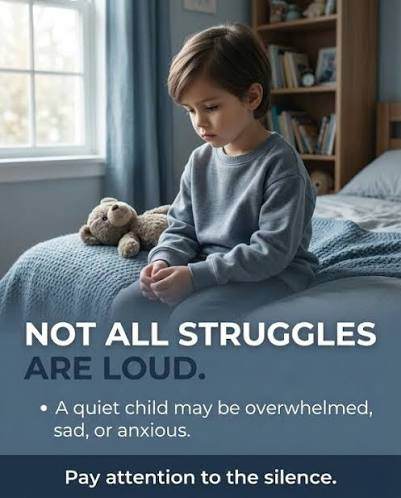
In recent years, a new layer of silence has emerged among children of silence: digital isolation. Many children spend hours on smartphones and social media, not because they are happy, but because the virtual world offers an escape from loneliness. They scroll through feeds, watch videos, and play games, seeking connection but finding only temporary distraction.
Mental health professionals have observed rising cases of anxiety, depression, and digital addiction among adolescents. Yet, for every child who is diagnosed and treated, there are many more who suffer without support. Stigma, lack of awareness, and limited access to counsellors mean that the children of silence continue to navigate their emotional pain alone, even in an age of unprecedented connectivity.
The Children Who Work Instead of Play
For some children of silence, childhood is a luxury they cannot afford. In rural areas and urban slums, millions of children between the ages of six and fourteen are out of school, working in fields, factories, or homes to support their families. They carry bricks, sell goods on streets, or work as domestic helpers, their small bodies bearing the weight of adult responsibilities.
These children rarely talk about their dreams because dreams feel like a waste of energy when survival is uncertain. They watch other children go to school, play cricket, or celebrate birthdays, and they learn to accept that such things are not meant for them. Their silence is not chosen; it is imposed by circumstances that leave them no room to speak.
The children of silence carry hidden pain and unspoken struggles. Discover their stories of isolation, resilience, and the urgent need for adults to listen, care, and act. And when pain becomes routine, it stops looking like pain. It starts looking like behaviour. But silence does not end at the school gate. It follows them home, into their screens, into their sleep.
Breaking the Silence
The children of silence do not need pity; they need presence. They need adults who will sit with them, listen without judgement, and create spaces where they feel safe enough to speak. They need teachers who notice the quiet child in the corner, neighbours who check on the child who plays alone, and parents who ask not only about grades but also about feelings.
There are organisations, counsellors, and volunteers working to reach these children, offering free education, mental health support, and mentorship. But the work is far from complete. For every child who is helped, many more remain unseen. Breaking the silence requires a collective commitment to notice, to care, and to act.
Silence is not natural to children. It is taught—by neglect, by dismissal, by a world too busy to listen. Every silent child is a question waiting for an answer. The question is, “Will we respond?” The children of silence are waiting. Not for saviours, but for listeners. Not for speeches, but for presence. One day, they will speak. The question is whether we will be there to hear them.
A Future Where Every Child Is Heard
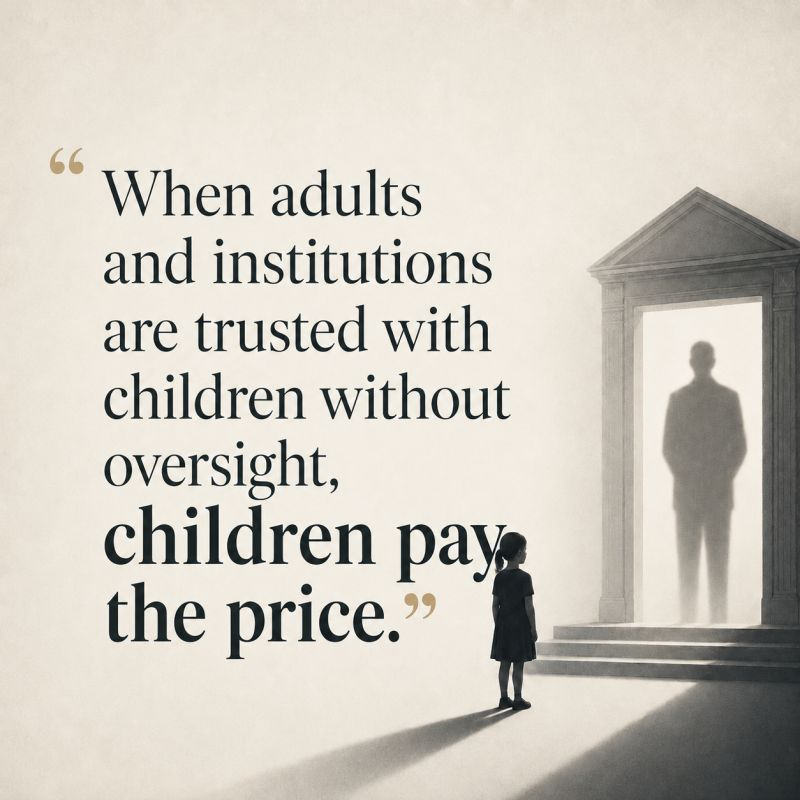
Imagine a world where the children of silence are no longer silent. Imagine classrooms where every child feels safe to ask questions, homes where emotions are discussed openly, and communities where mental health is treated with the same seriousness as physical health. This is not an impossible dream, but it requires intentional effort from every adult who interacts with children.
The story of the children of silence is not just a story of pain; it is also a story of resilience. These children have survived unimaginable hardships, and with the right support, they can thrive. The question is not whether they can heal; the question is whether we will be there to help them. Every child deserves to be heard, to be seen, and to know that their voice matters.
Yet for some children, the luxury of digital escape does not even exist. Their silence is not born of screens but of survival. While some children hide behind phones, others hide behind labour. Both are forms of silence. Both are forms of loss. No child should have to choose between eating and learning. No child should have to grow up before they have lived. Their childhoods are stolen, but their voices can still be returned.
-RITOBROTA BANERJEE
MUST READ: MP Tribal Protest: A Powerful Struggle for Land and Justice
