
Robotics looks like it’s all about metal parts, code, and cool gadgets, but that’s honestly just the surface. The biggest thing I’ve learned is that robotics is really about people—how we work together, how we handle pressure, and how we treat each other when stuff goes wrong. You can build an amazing robot and still lose if your team can’t communicate or stay focused. At the same time, robotics can be the place where someone finally feels like they belong.
More Than Code And Gears
When people think of robotics, they usually picture someone typing super fast or tightening bolts like it’s a movie montage. That’s part of it, but the real challenge is figuring out how all the pieces fit together as a team. Mechanical, programming, electrical, and design all depend on each other, so you can’t really “do your part” in a bubble. If the intake changes, code has to adjust. If wiring is messy, testing becomes a nightmare.
It also teaches you how to explain your thinking. You can’t just say, “Trust me, it works,” because your team needs to understand why you made a choice. You end up learning how to break down a complicated idea into something simple and clear. That’s not even a robotics skill—it’s a life skill. And it’s one of the reasons robotics feels bigger than a normal class.
Teamwork That Actually Matters
In robotics, teamwork isn’t a cute poster on the wall—it’s the difference between success and chaos. If people don’t share updates, you waste hours doing the same thing twice or building something that doesn’t match the plan. Meetings, checklists, and quick check-ins sound boring, but they’re what keep the whole team moving. Even small habits like labeling parts or writing notes after testing save you later.
You also learn how to disagree without turning it into drama. There are moments when two people strongly believe two different designs are better, and you have to settle it like engineers, not like enemies. That usually means testing, comparing data, and being willing to admit you were wrong. When a team does that well, it feels kind of powerful. It’s like everyone’s ego gets smaller and the robot gets better.
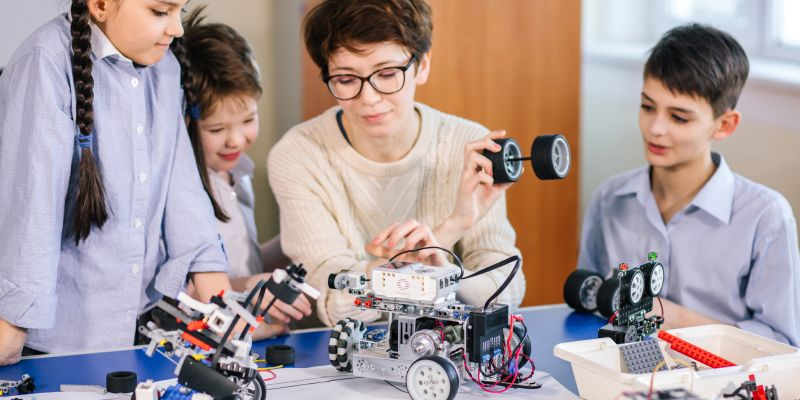
Confidence Built Through Real Responsibility
Robotics is one of the few school activities where you can be trusted with real tools, real decisions, and real consequences. When you’re responsible for something important—like wiring, building, or coding—you feel the pressure, but you also grow from it. At first, it’s intimidating because you don’t want to mess up. But then you realize messing up is part of the process, and fixing mistakes is how you learn.
Confidence doesn’t come from being perfect; it comes from proving to yourself you can recover. You test something, it fails, and instead of quitting, you troubleshoot step by step. Eventually, you’re the person someone asks for help, which is a crazy feeling. You start to see yourself as someone who can solve problems. That changes how you walk into other classes and challenges too.
Identity And Finding Your Place
A lot of students don’t feel like they “fit” into the typical school categories. Robotics can be the place where that doesn’t matter as much, because what you contribute is what counts. If you’re good at organizing, you can run scouting or manage parts. If you’re creative, you can work on design, branding, or presentations. If you’re quiet but observant, you might be the best at noticing issues during testing.
It also helps people see themselves as “STEM people,” even if they didn’t start that way. You don’t need to be born a genius at math to build a robot. You just need curiosity and the willingness to learn. When you succeed at something you thought was “too hard,” it changes your identity a little. You stop saying “I’m not a tech person” and start saying “I’m still learning.”
Handling Pressure Without Falling Apart
Competitions and deadlines are stressful, and robotics makes that stress very real. There’s always a time crunch, and things always break at the worst possible moment. You learn how to stay calm when the robot fails five minutes before a match. The best teams aren’t the ones that never have problems—they’re the ones that respond fast without panicking.
Pressure also shows who communicates well. If everyone starts blaming each other, the whole team spirals. But if someone says, “Okay, we have three minutes—what’s the fastest fix?” the mood instantly changes. You learn how important it is to stay respectful under stress. That kind of mindset helps outside robotics too, like during exams or big projects.
Learning From Failure In A Healthy Way
Robotics is basically a class in failing repeatedly, but in a way that’s actually productive. A design looks perfect in your head, then you test it and it doesn’t work at all. That’s not embarrassing—it’s information. Every fail tells you something specific, like the motor isn’t strong enough or the angle is wrong. When you treat failure like data, it stops being personal.
It also teaches persistence, but not the fake motivational kind. Real persistence is changing your plan, trying again, and getting back up when you’re tired. You learn that progress is usually messy. Sometimes the robot gets worse before it gets better, because you’re experimenting. That’s honestly a really mature lesson for high school.
Empathy And Leadership Through Building
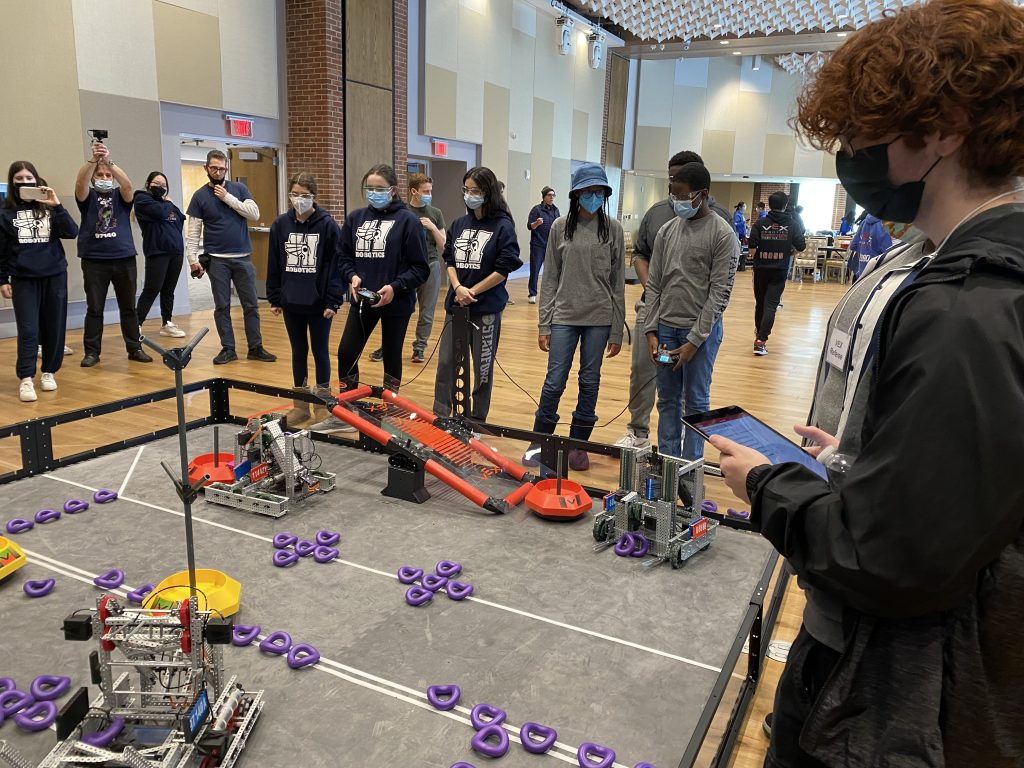
Robotics can surprisingly teach empathy, because you’re constantly working with different personalities and skill levels. Someone might be new and feel lost, and the way you talk to them matters. Good teams don’t just build robots—they build each other up. Teaching someone how to use a tool or understand code is part of the culture, even if it’s not written anywhere.
Leadership isn’t just being loud or in charge, either. Sometimes leadership is noticing someone hasn’t spoken and asking what they think. Sometimes it’s doing the boring work nobody wants, like organizing hardware or updating documentation. Over time you realize that the best leaders make the team feel safe to try. And when people feel safe, they do better work—and they enjoy it more.
Why Robotics Changes How You See School
Robotics makes school feel more real because you’re creating something physical that has to work in the real world. You can’t “study” your way out of a robot that won’t run. You have to test, adjust, and collaborate. That makes learning feel less like memorizing and more like building skills that actually matter.
It also connects different subjects in a way classes don’t always do. You use math, physics, writing, public speaking, and even art depending on what your team needs. And you start to understand that success isn’t just being smart—it’s being consistent, prepared, and cooperative. Robotics shows you that the best teams are built the same way great communities are: with trust, effort, and respect.
– AMEYA BHARDWAJ
MUST READ: THE GREAT POWER OF OUTREACH: BUILDING TRUST, EXPANDING IMPACT, CREATING CHANGE
