
Kids today spend a lot of time indoors, and it’s not hard to see why. Homework, busy schedules, and screens that are always available make staying inside feel normal. But playing outside isn’t just a “nice extra”—it actually shapes how kids grow socially and emotionally. When kids run around outside, they practice real-life skills that don’t happen the same way in a chat, a game, or a group text.
Outside Play Builds Real Friendships
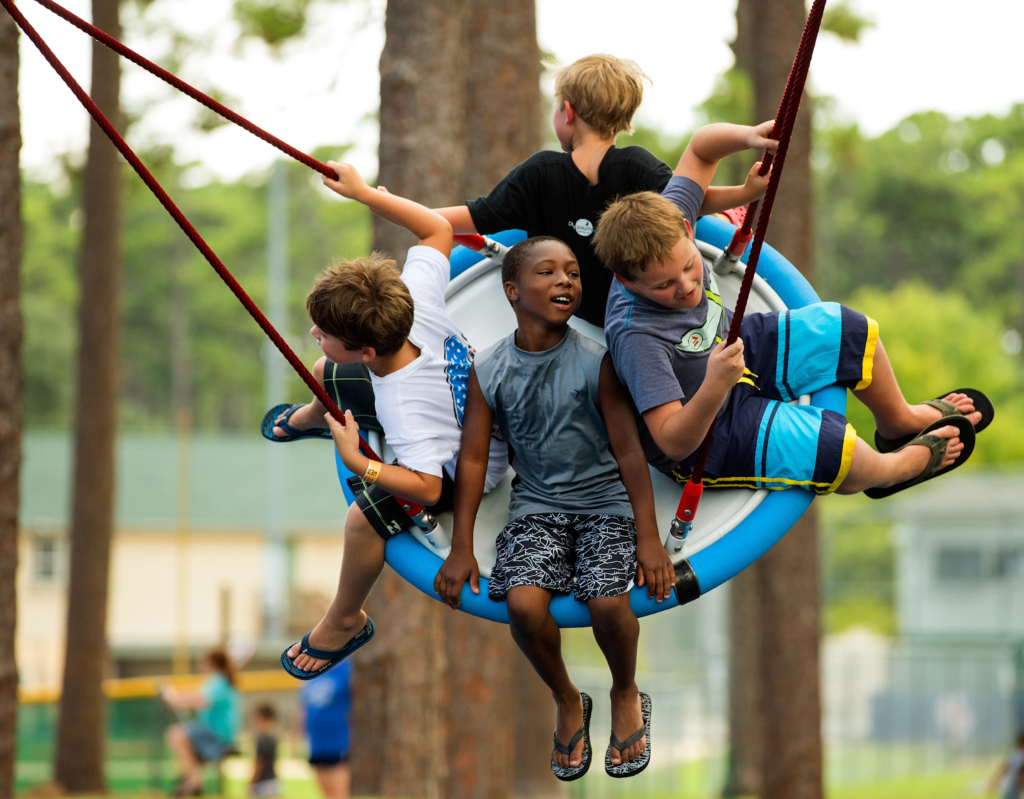
When kids play outside, they usually have to interact face-to-face, which changes everything. You can’t hide behind a username or mute someone if you’re upset. Kids learn how to start conversations, join a game already happening, and handle awkward moments without quitting. Even small things like taking turns on a swing or sharing chalk become practice for cooperation. Over time, those little moments help friendships feel more natural and stronger.
Outside friendships also tend to be less “perfect” and more real, and that’s a good thing. When kids play together, disagreements happen, but they usually get solved faster because everyone wants the game to keep going. Kids learn who they can trust, who plays fair, and who needs a little patience. They also learn how to include others, especially when new kids show up in the neighborhood or at the park. These are skills that make social life easier later, even in high school.
Kids Learn Conflict Resolution Without a Script
Outside play creates situations where kids have to solve problems on the spot. If someone argues about whether the ball was “in” or “out,” there isn’t an adult referee most of the time. Kids have to negotiate rules, compromise, or agree to redo a play. They learn that being right isn’t always worth ruining the game. That’s a big lesson, and it sticks because it happens in real time.
Also, outside conflict usually ends with kids seeing each other again right away. Online drama can explode because people type things they wouldn’t say out loud and then keep replaying it. Outside, you can read someone’s face and tell when they’re actually hurt or just annoyed. Kids start to understand tone, body language, and when to apologize. Those emotional skills are hard to teach in a classroom, but happen naturally outside.
Unstructured Time Boosts Confidence
One of the best parts of playing outside is that it doesn’t always have a set plan. Kids get to make up games, build random teams, or change the rules halfway through because it’s more fun. When kids create their own activities, they feel capable and independent. They learn that they don’t need an adult to organize everything for them. That kind of confidence shows up later in school and other parts of life.
Unstructured play also lets kids discover what they’re good at without pressure. A kid who struggles in class might be amazing at climbing, leading games, or figuring out how to build something with sticks. Outside, there’s room for different types of talent to matter. When kids get small wins—like learning to ride a bike or finally making a basket—they feel proud. That pride builds a stronger sense of self.
Outdoor Play Helps With Stress and Emotions
Kids deal with stress, even if adults don’t always notice it. School pressure, family stuff, and social worries can pile up, and screens don’t always help. Going outside gives kids a chance to reset their brains. Moving your body, getting fresh air, and being around nature can make emotions feel less intense. It’s not a magic fix, but it’s real support.
Outside play also gives kids a healthy way to handle big feelings. If you’re frustrated, you can run, kick a ball, or take a break without making it a huge issue. Physical activity releases energy that might otherwise turn into irritability or shutdown. Kids often come back calmer and more ready to talk. Even quiet outdoor activities, like walking or drawing with chalk, can feel grounding when a kid is overwhelmed.
Kids Practice Risk and Responsibility
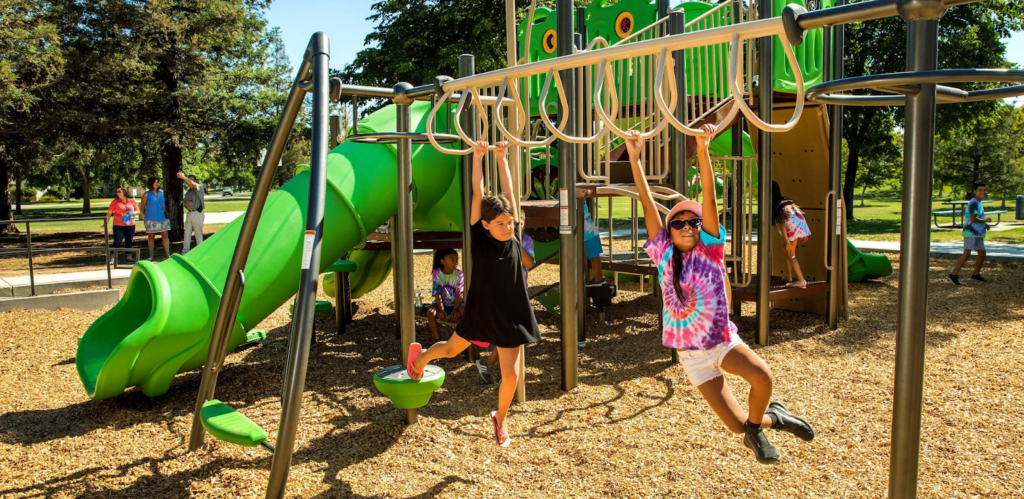
Playing outside always involves some level of risk, even if it’s small. Climbing, skating, or exploring teaches kids how to judge situations and make choices. They learn what their limits are and how to be careful without being scared of everything. That’s important because eventually, kids will face bigger decisions in the real world. Learning in a safe, everyday setting helps them build good instincts.
At the same time, outside play teaches responsibility toward others. If you’re playing tag, you have to watch where you’re running so you don’t knock someone over. If you’re sharing a space, you learn to respect rules like staying off the street. Kids start to understand that freedom comes with consequences. Those lessons are way more effective when kids experience them, not just hear lectures about them.
Communities Get Stronger When Kids Are Outside
When kids play outside, neighborhoods feel more connected. People recognize each other, wave hello, and sometimes even help out. Parents and guardians get chances to talk, which builds trust over time. In places where kids are always indoors, communities can feel quieter but also more disconnected. Having kids outside makes the environment feel more alive and safe.
Also, outdoor play can create a sense of belonging that kids really need. Feeling like you “have a place” to be is huge, especially for kids who don’t feel fully comfortable at school. Parks, sidewalks, and local courts can become social spaces that don’t cost money. These shared spaces can reduce isolation for kids and families. When communities invest in safe outdoor areas, they’re investing in social health too.
Screen Time Changes Social Skills
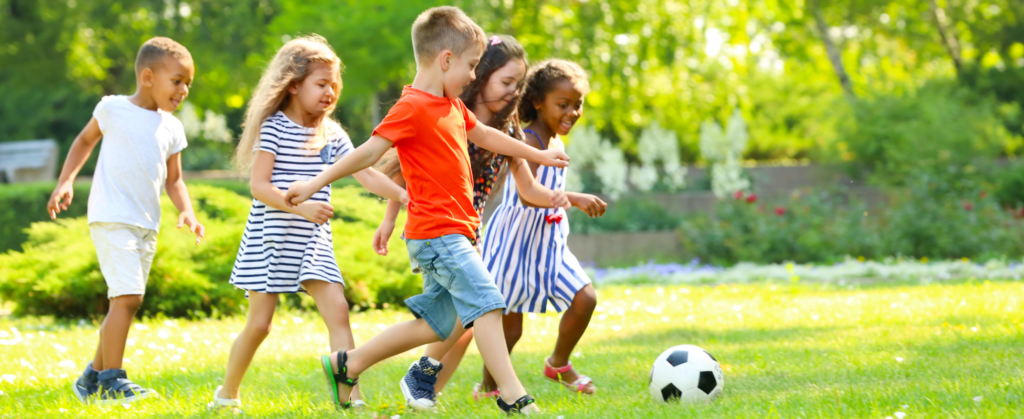
Screens aren’t automatically bad, but too much screen time can replace important social practices. Online interactions can be edited, filtered, or avoided, which makes real-life socializing feel harder. A kid might be confident online but anxious in person because they don’t get enough face-to-face experience. Outside play forces kids to deal with spontaneous moments. That’s how social confidence actually grows.
Another issue is that screens can make entertainment feel too easy. Outside play sometimes starts with boredom, and boredom can feel uncomfortable at first. But that boredom pushes kids to create games, explore, and use their imagination. When kids get used to constant digital stimulation, the outside can seem “boring” even though it’s not. Helping kids reconnect with outdoor fun can rebalance their attention and social energy.
How Adults Can Make Outside Play Easier
Adults don’t have to be super strict or super relaxed to support outside play. The goal is to make outdoor time possible and safe without controlling every second of it. That might mean setting a routine like “outside after homework” or planning weekend park time. It can also mean working with neighbors so kids can play together. When adults treat outdoor play as important, kids take it more seriously, too.
It also helps to remove barriers that stop kids from going outside. If a neighborhood doesn’t have safe sidewalks or parks, communities can advocate for better spaces. Schools can support outdoor recess and after-school clubs that include free play. Families can start small with walks, bike rides, or just spending time outside together. The main idea is to make the outside a normal part of life again, not a special event.
– AMEYA BHARDWAJ
MUST READ: THE GREAT POWER OF OUTREACH: BUILDING TRUST, EXPANDING IMPACT, CREATING CHANGE
