
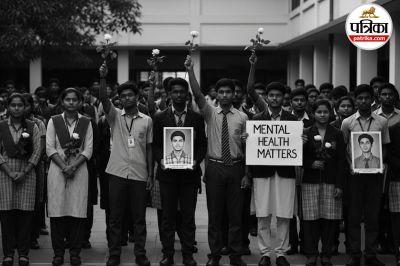
Alarming Statistics: Suicide and Depression Rates Among Students
The youth in India are grappling with an unprecedented mental health crisis, as anxiety, depression, and suicide rates soar to alarming heights. Recent national data reveal that over 13,000 students across the nation took their own lives in just one year, translating to nearly 35 young lives lost each day due to unresolved mental stability issues. Surveys indicate that a staggering 81% of school students endure overwhelming anxiety regarding their academic performance and examinations, which contributes to this troubling trend.
The stigma surrounding mental health conditions continues to be a significant obstacle that prevents young individuals from seeking timely assistance. Families often misinterpret mental stability struggles as a mere “lack of willpower,” while schools seldom identify early warning signs, exacerbating the crisis. In the absence of mental health support, these issues can evolve into lifelong challenges.
Key Triggers: Academic Pressure, Bullying, and Social Challenges
The relentless academic competition, social comparisons in digital environments, and ongoing bullying are primary catalysts for deteriorating mental stability among students. Recent research conducted in schools indicates that female students are particularly susceptible to ongoing sadness and feelings of isolation, with one in three admitting they rarely feel calm amidst their daily pressures.
Mental health issues are not confined to a specific stage; they span from exam-related anxiety in middle school to concerns about careers and livelihoods in higher grades. Peer pressure and cyberbullying have become integral to the student experience, and social exclusion stemming from academic difficulties often undermines self-esteem, further deteriorating mental health outcomes for countless children. Tackling these pervasive mental stability triggers necessitates a transformation in school culture and heightened awareness among teachers.
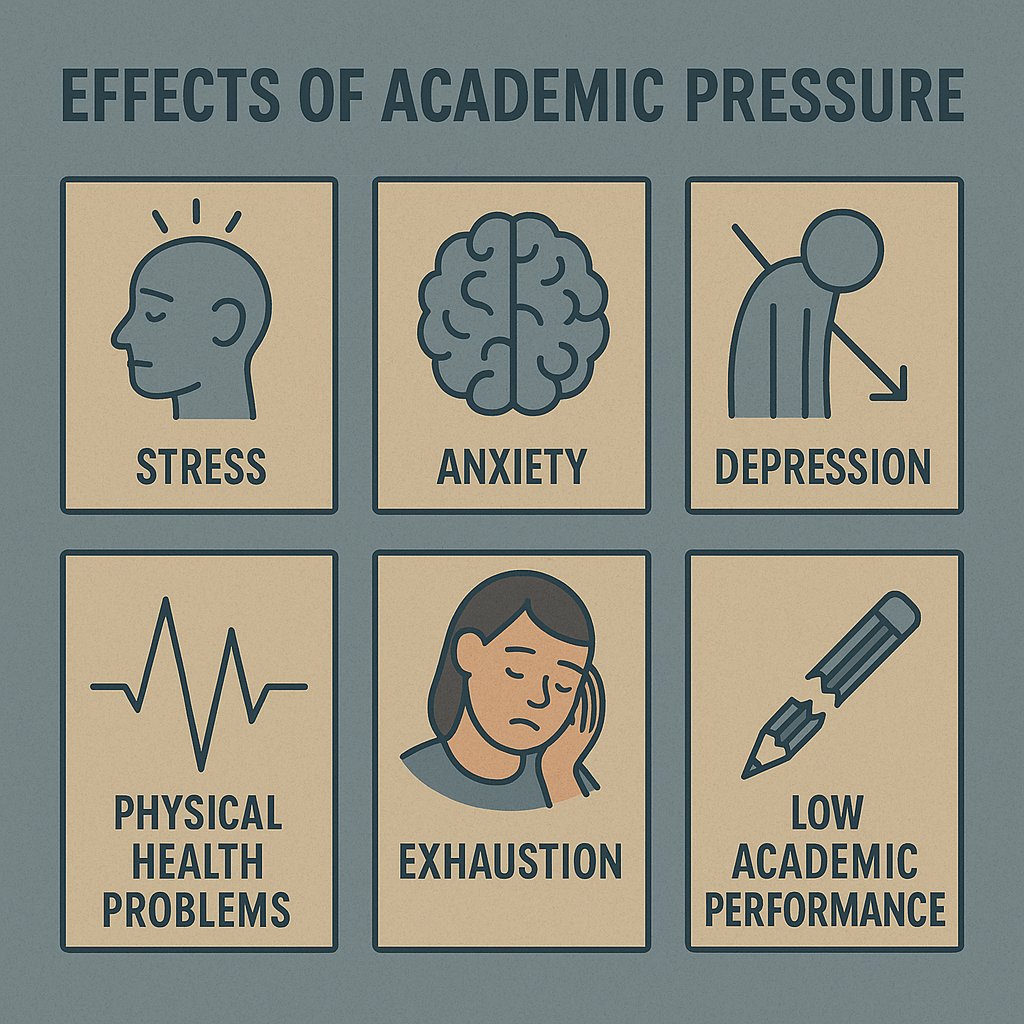
Deteriorating Trends: The Impact of Screen Time and Societal Pressures
Technology and social media have exacerbated the mental health crisis faced by students, with excessive screen time directly linked to sleep deprivation and emotional detachment. Late-night scrolling disrupts healthy habits, negatively affecting both mental well-being and academic success. The societal demand for excellence adds further pressure on adolescents, as expectations from family and community can foster a harmful form of perfectionism. Mental stability experts caution that the pressure to meet strict standards not only heightens anxiety but also discourages young individuals from seeking necessary help. Students who do not receive mental health support frequently suffer from worsening sleep, eating habits, mood fluctuations, and feelings of isolation, making it difficult to find healthy coping strategies in today’s educational settings.
Counseling Shortages: Lack of Qualified Mental Health Professionals in Schools
Schools in India are facing a significant shortage of qualified mental health professionals, leaving many students without the support they need. Often, there is only one counselor available for hundreds or even thousands of students, rendering effective mental stability intervention nearly impossible. Mental health education is not well incorporated into the curriculum, and most teachers do not possess the skills to recognize early signs of mental stability issues. The lack of comprehensive mental health programs restricts opportunities for peer support, resilience-building, and restorative practices. Addressing this issue demands immediate investment in mental health resources: increasing the number of school counselors, providing ongoing training for teachers, and allocating time for mental stability education within the daily schedule.

Stigma and Silence: Barriers to Seeking Help in Educational Settings
Despite the increasing conversation surrounding mental health, many students still hesitate to seek assistance due to feelings of shame and fear of being judged. In numerous families, discussing mental stability remains a taboo topic, and acknowledging mental health challenges is often perceived as a weakness. Within educational environments, students are concerned that reaching out to a counselor might impact their academic performance or reputation. This widespread stigma hinders early identification and effective intervention, frequently leading to deteriorating mental stability conditions or preventable tragedies like self-harm and suicide. Schools need to actively challenge misinformation and myths about mental health by facilitating open discussions, inviting mental stability professionals, and sharing stories of resilience to normalize the act of seeking help.
Path Forward: Building Resilience and Reforming School Support Systems
To address the mental health crisis among students in India, reforms must be comprehensive, targeting both institutional frameworks and cultural perceptions. A system-wide incorporation of mental stability education, regular classroom discussions, and designated safe spaces for student conversations can help cultivate resilience in young individuals. Governments and school boards should increase investments in hiring and training mental health counselors and psychologists in every educational institution.
Teachers ought to participate in practical workshops focused on mental stability literacy, while peer mentorship programs should motivate students to enhance their emotional intelligence and build supportive relationships. Engaging the community is also crucial, involving parents and external partners in establishing a supportive network. Schools must embrace a “whole-child” approach, recognizing mental health as essential to learning and development rather than an afterthought. Research indicates that early intervention and stigma-free access to mental health services can save lives, enhance long-term health, and yield positive outcomes for the future.
-RITOBROTA BANERJEE
MUST READ: IN THE SHADOWS OF PROGRESS: MILLIONS OF CHILDREN PAY THE PRICE
