
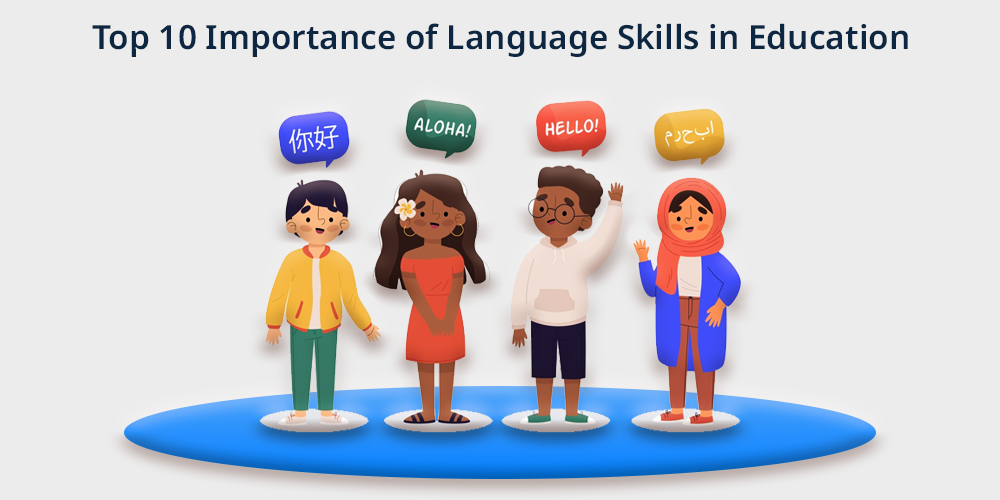
Growing up with more than one language is becoming increasingly common in many families and classrooms. For kids, multilingualism isn’t just about vocabulary or grammar—it shapes friendships, identity, and how they navigate the world. Speaking multiple languages can open doors to cultural connection and confidence, but it can also bring misunderstandings or pressure to “fit in.” Parents and educators sometimes focus on grades and fluency while overlooking the social side of language learning. Understanding both the benefits and challenges helps adults support kids in a way that protects pride, belonging, and well-being.
Multilingual Kids Build Bridges Faster
Being able to communicate in more than one language can make it easier for kids to connect across different groups. They may act as “social bridges” in diverse classrooms, helping classmates understand each other. This can boost a child’s sense of usefulness and belonging, especially when they see their language skills as a strength. Even when fluency isn’t perfect, knowing a few phrases can create warmth and trust. Over time, kids who move between languages often become comfortable in mixed-language social settings. That comfort can make new environments feel less intimidating.
Language Can Shape Confidence and First Impressions
For many children, confidence rises when they’re understood and falls when they’re not. A kid who speaks with an accent or mixes languages might worry about sounding “wrong,” especially if peers tease them. On the flip side, being praised for speaking another language can build pride and a strong self-image. Kids often learn quickly which language “wins” social approval in a particular setting, like school versus home. When adults treat all their languages with respect, kids usually take more risks speaking up. Those small moments of encouragement can influence whether a child sees multilingualism as power or as pressure.
Friendships Across Cultures Become More Natural
Multilingual children often have an easier time understanding different cultural norms—how people greet, joke, show respect, or disagree. That flexibility can make friendships across backgrounds feel less confusing. When a child can speak a friend’s home language, even a little, it sends a message: “I care about your world.” That message strengthens relationships and can reduce “outsider” feelings for other kids too. Shared language can also help kids navigate conflict, because they’re better at interpreting tone and context. Over time, these cross-cultural friendships can teach empathy in a very everyday, practical way.
Identity: “Who Am I in Each Language?”
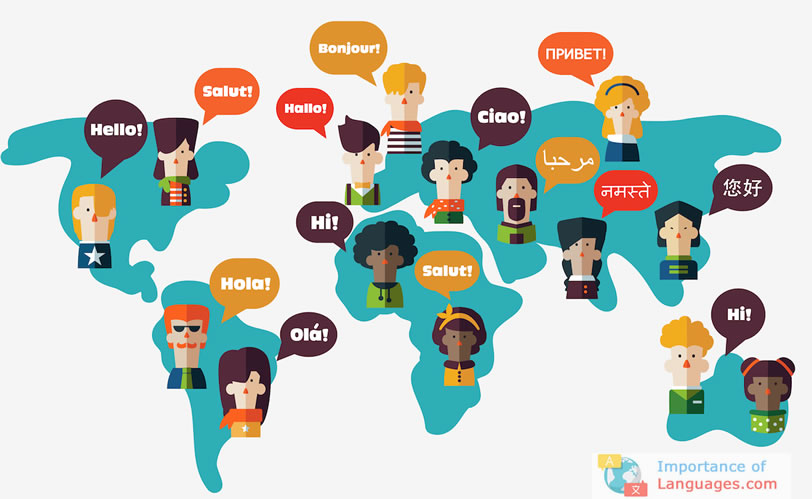
Many multilingual kids notice they act slightly different depending on the language they’re using. One language might feel playful, another more formal, and another deeply emotional because it’s tied to family. This can create a rich sense of identity, but it can also feel confusing if a child believes they must “choose” one version of themselves. Kids may feel proud at home but shy at school, or the other way around. The healthiest message they can receive is that identities can be layered, not divided. When children learn that they don’t have to pick one culture over another, they often relax into authenticity.
Common Social Challenges Kids Face
Multilingualism can come with social bumps that adults don’t always notice. Kids may translate for parents in public, which can make them feel responsible beyond their age. Some children stop using a home language because they want to match classmates and avoid standing out. Others feel embarrassed when they can understand a language but struggle to speak it smoothly. Here are a few common challenges that show up in real life:
- Being teased for an accent or “mixing” languages
- Feeling left out when group jokes happen in a language they don’t fully understand
- Pressure to be a “perfect translator” for adults
These challenges aren’t a reason to avoid multilingualism—they’re a reason to support kids socially, not just academically.
Why “Mixing Languages” Is Usually a Strength, Not a Problem
Many kids naturally blend languages in one sentence, especially when they’re excited, tired, or speaking quickly with family. Some adults worry this is a sign of confusion, but often it’s a practical strategy: the child is using the best word they know in the moment. In social settings, language-mixing can help kids express humor, emotion, and identity more accurately. The key is helping children learn when it’s appropriate—like at home with bilingual relatives—versus when it might confuse a monolingual listener. Correcting too harshly can make kids self-conscious and quiet. A supportive approach is to model alternatives while still valuing what they’re trying to say.
The Role of Schools and Teachers in Belonging
Schools can strongly influence whether multilingual kids feel proud or pressured. When a classroom celebrates multiple languages—through books, greetings, and inclusive activities—kids receive a clear message that diversity is normal. Teachers also set the tone for peer behavior by addressing teasing immediately and encouraging respectful curiosity. Group work can be especially important, because it gives multilingual kids structured opportunities to participate and lead. Even small choices, like allowing a child to brainstorm ideas in their stronger language first, can improve confidence. When schools focus on belonging, language learning becomes less about “fixing” and more about growing.
How Parents and Caregivers Can Support Social Growth
At home, kids need to feel that their languages are welcome, useful, and emotionally safe. Simple routines—story time in a home language, music, or calls with relatives—keep the language connected to warmth and relationships. Parents can also coach children on how to handle awkward moments, like when someone says, “Why do you talk like that?” It helps to give kids a short, confident response they can practice. Consider a few practical supports:
- Praise effort and communication, not just “perfect” pronunciation
- Arrange playdates or community groups where the home language is normal
- Encourage pride: bilingualism is a skill, not something to hide
When kids feel backed up by adults, they’re more likely to speak, connect, and carry their languages forward.
Closing Thought
Growing up multilingual can give kids a powerful social advantage—more ways to connect, more cultures to understand, and more confidence navigating different spaces. With the right support, the challenges become manageable, and the benefits last well beyond childhood.
– AMEYA BHARDWAJ
MUST READ: BEYOND “KIDS BEING KIDS”: THE REAL COST OF SCHOOL BULLYING
