
Climate Change Agricultural Impacts on Farming Systems and Rural Livelihoods
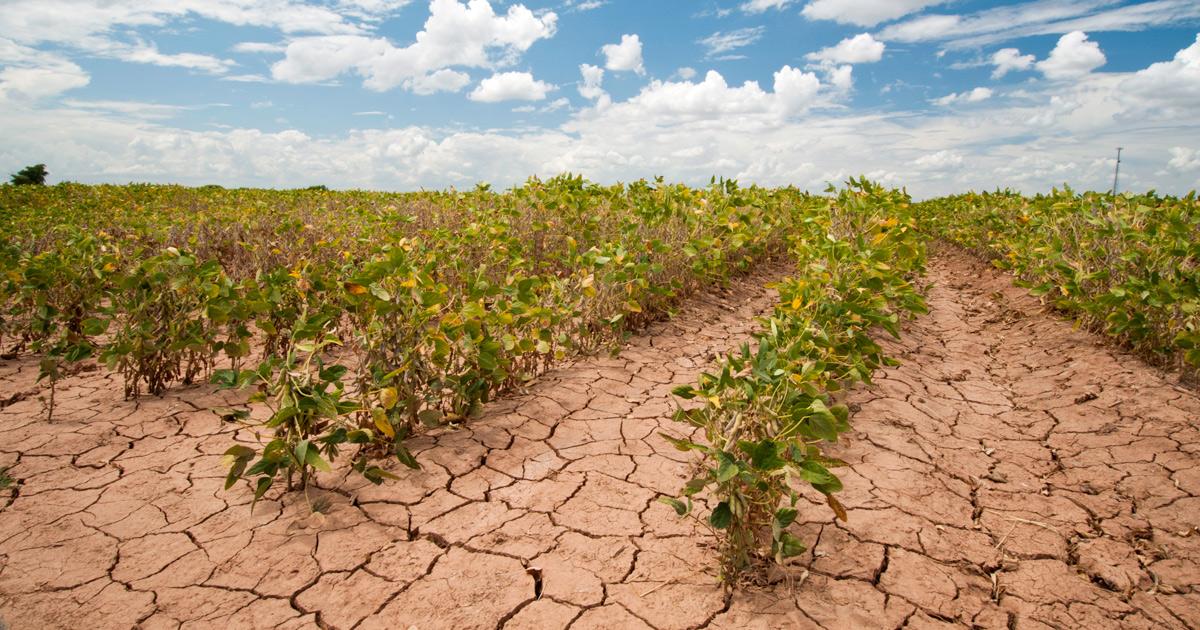
The first agricultural impacts of climate change are those that result from temperature and precipitation changes, which in turn have a direct influence on crop growth, animal health, and soil quality. In a great number of low-latitude areas, they are characterized by the reduction of yields of the main food products such as maize, wheat, and rice, whereas higher-latitude regions might get some temporary benefits that are not only uneven but also unreliable.
Moreover, the changes in climate affect agriculture, which is further aggravated by the extremes of temperatures that become more frequent, as well as by the droughts, floods, and storms that harm the fields, destroy the infrastructures, and disrupt the planting and harvesting periods. These climate change agricultural impacts result in food production becoming less consistent, thus making prices go up and the risk of food crises being doubled, especially in those places where there are no or only weak safety nets.
Climate Change Agricultural Impacts on Crop Yields and Nutrition
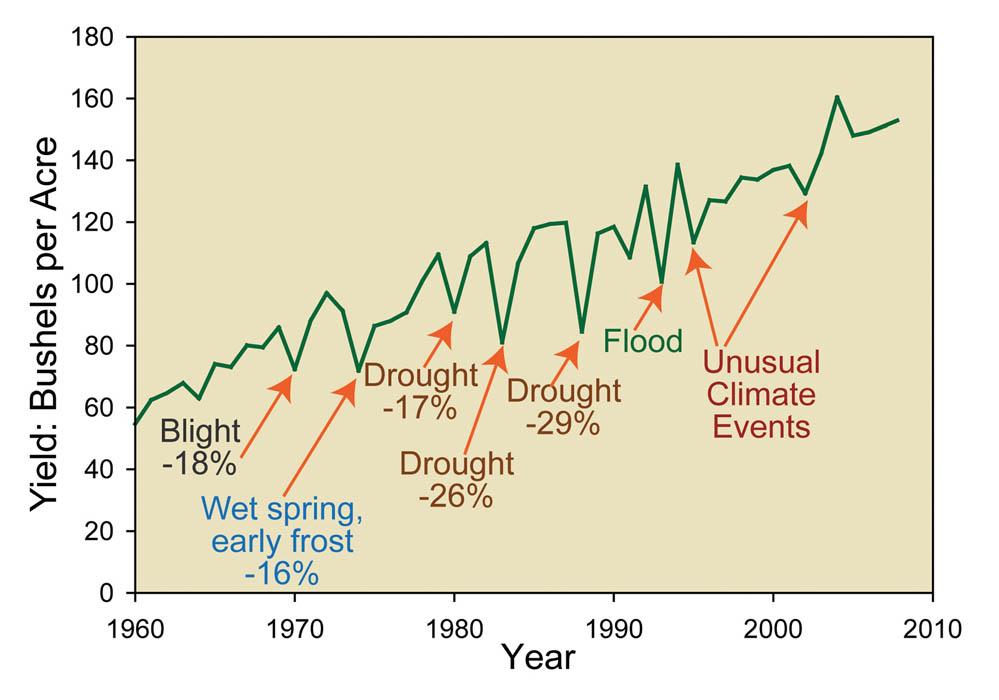
Scientific evidence indicates that climate change has become the main driver of the variability in global crop yields, thus causing large fluctuations in the production of major cereals by millions of tonnes annually. In areas where water is scarce, climate change agricultural impacts mainly refer to situations of extended drought and heat stress that result in the reduction of soil moisture, the shortening of growing seasons, and the need for farmers to give up their traditional varieties.
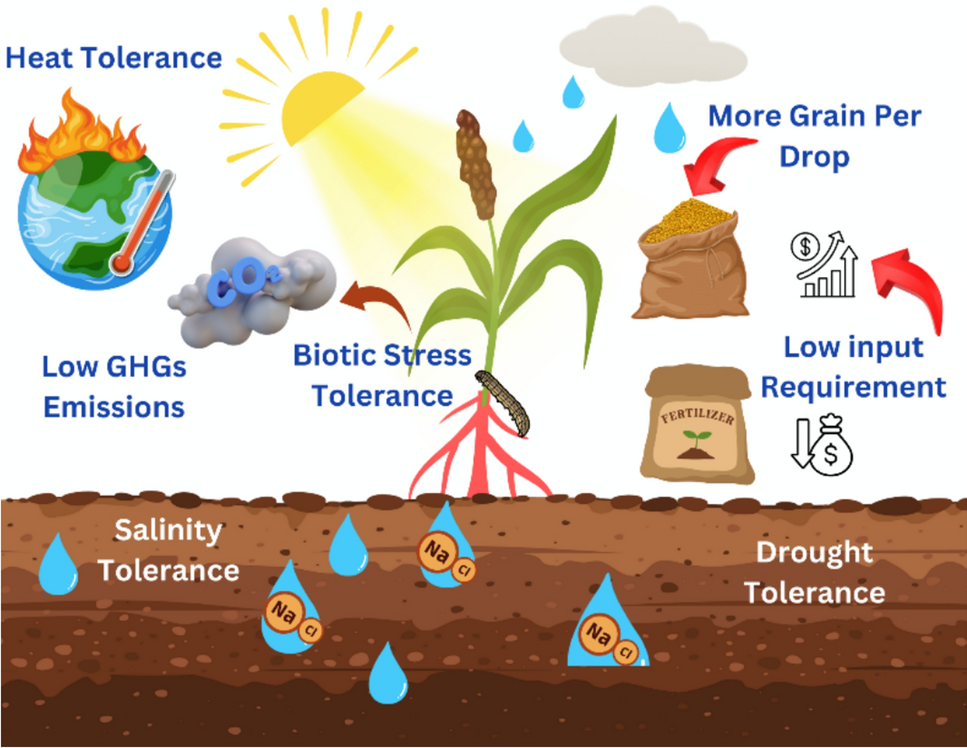
The effects of climate change on agriculture continue beyond the amount of food produced to the quality of food as well. By raising carbon dioxide levels, the content of protein and micronutrients in the crops can be lowered, while temperature increase and irregular rainfall make pests and diseases at the peak, thus rapidly becoming the main cause of climate change agricultural impacts on nutrition and public health.
Climate Change Agricultural Impacts on Livelihoods and Rural Communities
In particular, smallholder farmers, pastoralists, and fishers in developing countries are the ones to suffer most of the severe climate change agricultural impacts, as their livelihoods are mostly dependent on rain-fed systems, and they have limited capacity to adapt. With climate change agricultural impacts causing destruction of crops or death of livestock, families lose income, assets, and savings, thus increasing their indebtedness and, in the case of extreme situations, forcing migration.
These climate change agricultural impacts, in fact, exacerbate inequality as well, since they affect women, landless laborers, and marginalized groups more than others, given that these categories usually have less access to land, credit, and climate-resilient technologies. Ultimately, climate change agricultural impacts may lead to rural–urban migration, social unrest, and conflicts over scarce water and arable land, thus jeopardizing food security even more.
Climate Change Agricultural Impacts and Global Food Systems
At the system level, the effects of climate change on agriculture eventually run through the trade, storage, and supply chains, thus impacting food availability in the areas that are far from the production locations. For instance, droughts or floods in key “breadbasket” areas are the effects of climate change on agriculture that can lead to a reduction in export volumes, tightening of global markets, and price spikes that increase the cost of living of import-dependent countries drastically, making them the ones to suffer most of all.
The effects of climate change on agriculture also become the main factors that exacerbate the impact of other non-agriculture stressors like population growth, economic shocks, and geopolitical conflicts. In total, these forces have the power to double the effects of climate change on agriculture regarding food security, thus making it more difficult to achieve the goal of stable access to safe, nutritious, and affordable food for all.
Adapting to Climate Change Agricultural Impacts
By adaptation strategies alone, most of the negative effects of climate change on agriculture could be largely alleviated if these strategies were carried out extensively and were locally appropriate. Climate-smart agriculture encourages the implementation of such measures as drought-tolerant varieties, diversified cropping, water harvesting, efficient irrigation, and agroforestry to mitigate the effects of climate change on agriculture and, at the same time, maintain the livelihoods of the people.
Govt. or institutional measures are equally important in climate change agricultural impacts management. Financing early warning systems, insurance schemes, social protection, and amiable agrifood policies are some of the ways through which communities can get prepared for climate change agricultural impacts and also have the capacity to absorb them; hence, the risk of such disturbances turning into food security emergencies is lowered.
Rethinking Policy for Climate Change Agricultural Impacts and Food Security
Policy frameworks from top-down to bottom need to clearly show how climate change impacts agriculture and link them to national food security, rural development, and climate action plans. Part of this work consists of bringing in line agricultural subsidies, research agendas, and infrastructure investments with the climate change agricultural impacts instead of making a default assumption that the historical climate patterns will continue.
No single country can adequately address the issue of the warming of the earth, and hence international cooperation remains a must as the consequences of climate change, agricultural impacts, and threats to food security spread beyond borders. Through better coordination of climate finance, technology transfer, and knowledge sharing, it can be done to provide support to those countries that have contributed the least but are the most vulnerable to climate change agricultural impacts, thus enhancing global resilience and ensuring the right to food.
-Ritobrota Banerjee
MUST READ: Untold Impact of Pets on Emotional Well-being: Transformative Power
