
Loneliness in the Hyper‑Connected Age
There’s a strange paradox in 2026: people are more “connected” than ever—through messaging apps, live video calls, group chats, and always‑online social networks—yet loneliness is spreading faster than Wi‑Fi in crowded cities. This isn’t only about being alone physically; it’s about feeling unseen, unheard, and oddly foreign even in the middle of a warm group. In 2026, isolation has become a silent epidemic, stitched right into the fabric of digital life.
The more people “connect” through curated feeds, viral reels, and instant reactions, the easier it becomes to mistake constant contact for genuine intimacy. Isolation grows when likes replace real conversations, and notifications become the only measure of someone’s attention. The loneliness of 2026 isn’t the old kind that came from isolation; it’s the new kind that lives in the middle of a crowded group chat, a Zoom meeting, or a room full of staring‑at‑screens faces.
The Myth of Always‑Being‑Connected
Being “connected” today usually means carrying a glowing rectangle that never fully turns off. Seclusion still sneaks in because connection quality matters more than quantity. In 2026, this often follows from long, shallow interactions—endless scrolling, binge-watching, and serial messaging—where no one truly stops to listen or be seen. The loneliness of the digital age is not about being alone; it’s about being constantly in touch but never truly in tune.
Even when people share their lives through stories, status updates, and live streams, the connection often feels one‑sided. The despondency that lingers comes from waiting for replies, taking screenshots of “seen” messages, and worrying about how many people noticed your post. The illusion of connection is exactly what makes loneliness in 2026 so sharp: the world feels available, but real human warmth feels rare.
Loneliness in the Midst of Social Media
Social media promised in 2026 to make everyone neighbors, but it often turns users into distant observers of other people’s highlight reels. The loneliness deepens when people compare their messy, unedited lives to the clean, smiling, planned‑out posts they see every day. The gap between “my life” and “their life” becomes a breeding ground for melancholy, envy, and quiet despair.
Algorithms keep feeding content that makes people feel separate: “popular” accounts, viral influencers, and impossible beauty standards. The despondency in 2026 starts when the brain mistakes _FOLLOWING_ for belonging. The more people scroll, the more their offline connections fade, and the stronger the loneliness grows, even though they’re always “connected” to a screen, not a human being.
Work, Burnout, and Hidden Loneliness
The 2026 work culture adds another layer to loneliness, even if the job is “thriving.” Remote work, hybrid setups, and back-to-back virtual meetings can create a strange emotional gap: people are technically “with” colleagues all day but still feel oddly alone. The melancholy sneak-in comes from never sharing a coffee break, missing hallway conversations, and doing “presentations” without real eye contact.
High expectations, constant availability, and performance pressure make people pretend they’re fine while burning out silently. The despondency of 2026 is hidden behind busy schedules and “I’m just tired” messages. People feel they can’t ask for help or admit they’re struggling because everyone else’s profile seems perfect. The masks people wear at work and online become the very walls that deepen their loneliness.
Intimacy in 2026: Talking vs. Texting
The 2026 generation grew up texting more than talking, and this small shift changes the shape of loneliness. Short messages, read receipts, and delayed responses add tension to relationships that didn’t exist two decades ago. The despondency sneaks in during silences between texts, when “thinking of a reply” feels like “being ignored.”
Verbal conversations carry pauses, laughter, and tone; texting strips away most of these signals. The loneliness in 2026 comes from not knowing what’s behind the words, even when someone is right there online. The more people rely on words on a screen, the more they crave the warmth of real voices, hugs, and shared quiet moments—things that don’t show up in the chat history.
Fighting Loneliness Without Disconnecting
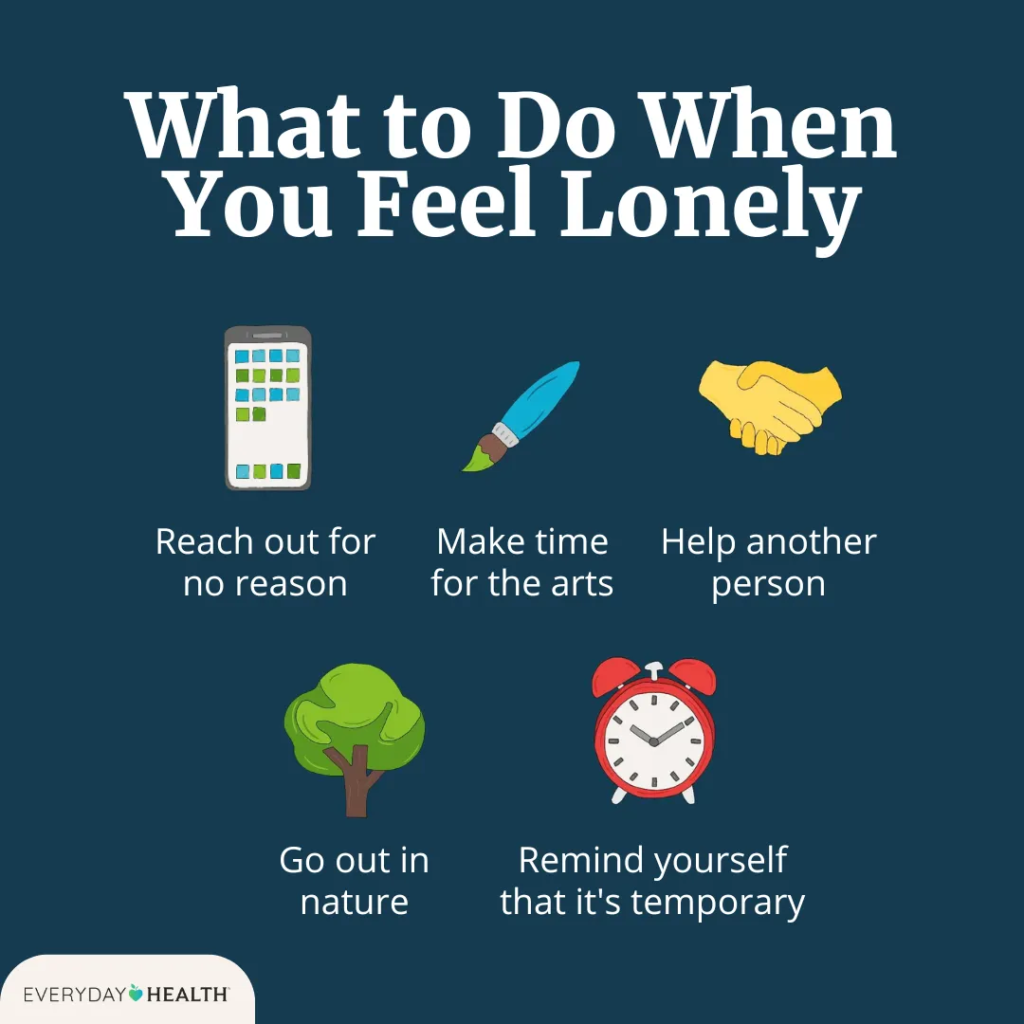
The good news is that 2026 has given people the tools to fight loneliness, even inside the same digital world that created it. The despondency doesn’t have to win because a few small choices—calling instead of texting, asking “How are you really?” and checking in on people who seem distant—can build real connection. The melancholy starts to fade when people use their devices as bridges, not barriers.
Communities exist online and offline: hobby groups, support forums, local meetups, and shared classes. The 2026 challenge is to balance the “always-connected” world with the “deeply connected” one. The loneliness of 2026 doesn’t have to define the future; it can become a warning sign that reminds people to look up from the screen, put down the phone, and reach out to the human sitting right across from them.
-RITOBROTA BANERJEE
MUST READ: Trump’s Pax Silica: Foreign Policy Shifts
