
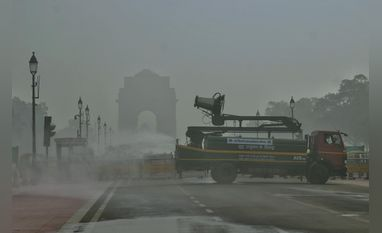
Unprecedented AQI Surge Shocks Capital
Delhi’s AQI crisis hit catastrophic levels above 600 in February 2026, forcing even toddlers to wear masks outdoors. This marks the worst winter pollution episode ever recorded, surpassing Diwali peaks and previous records. PM2.5 levels became lethal, turning playgrounds into no-go zones amid this relentless air emergency.
Parents across Delhi-NCR reported children as young as 2 struggling to breathe without N95 masks during the this. Hospitals saw a 300% spike in respiratory cases, with pediatric wards overwhelmed by the poor air quality effects. Schools shut down completely, shifting all education online as the pollution paralyzed normal life.
This February AQI crisis defies seasonal norms, proving Delhi’s pollution problem has become perennial rather than seasonal. Even with stubble burning months away, which reveals systemic failures in emission controls and urban planning.
Toxic Sources Fueling Deadly AQI Crisis
Vehicular emissions remain primary culprits behind the AQI crisis, with 60 lakh cars choking Delhi’s roads daily. Diesel vehicles and two-wheelers contribute massively to the breathing crisis, while industrial units in adjacent states pour pollutants relentlessly. The pollution intensifies when cold traps these toxins near ground level.
Construction dust and road dust account for 40% of PM10 during this catastrophe, as unchecked development blankets the city. Garbage burning in landfills and households adds toxic chemicals to the toxic air catastrophe, making every breath hazardous. Thermal plants ringing Delhi exacerbate the aftereffects continuously.
Biomass burning from restaurants and homes spikes during winter, compounding the AQI crisis severity. This demands immediate shutdowns of polluting industries and strict vehicle rationing to survive these toxic months.
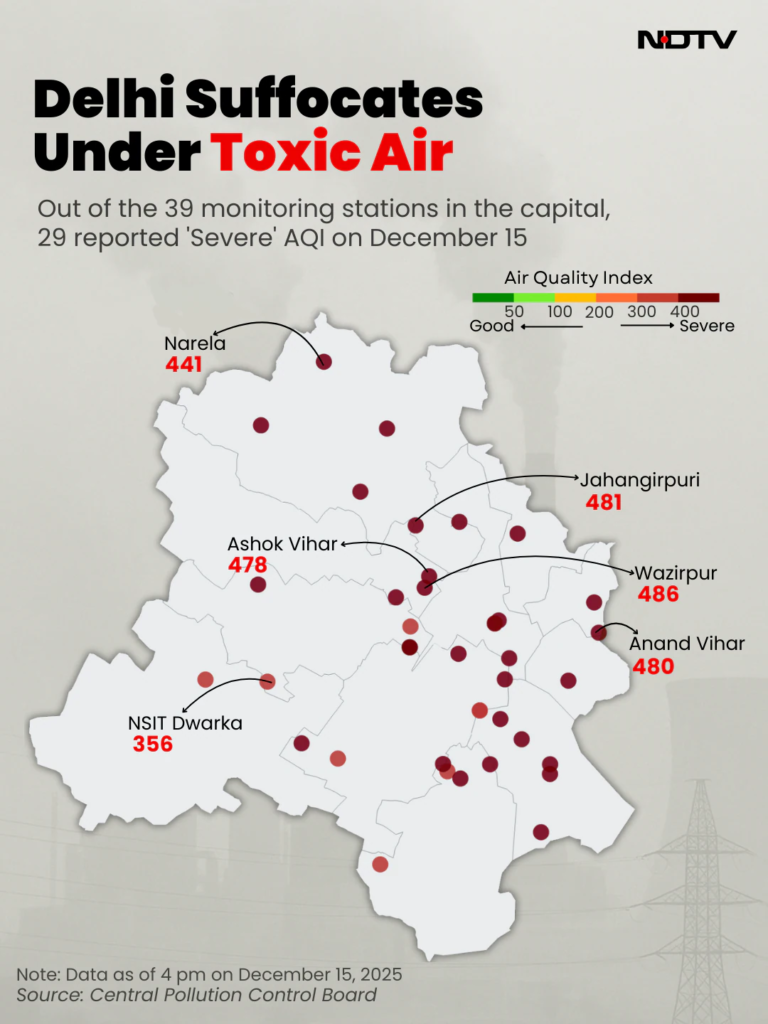
Health Catastrophe from AQI Crisis Ravages Vulnerable
The AQI crisis triggered asthma attacks in 70% more children, with toddlers showing oxygen saturation drops below 90%. Pregnant women face miscarriage risks doubling during severe health episodes, while newborns develop lifelong lung damage. Hospitals declared emergencies, rationing oxygen cylinders.
Elderly patients with COPD faced life-threatening exacerbations, with ICU admissions tripling overnight. Long-term exposure accelerates cognitive decline in children and dementia in seniors. The air quality literally shortens Delhi lives by 12 years on average.
Pediatricians mandated 24/7 indoor confinement during AQI crisis peaks, with air purifiers becoming household necessities. This catastrophe proves children pay the heaviest price for adult pollution negligence.
Toddler Mask Mandate Defines AQI Crisis Horror
Two-year-olds wearing N95 masks symbolize the AQI crisis tragedy—parents sewing toddler-sized masks became a viral image. Pediatric guidelines now recommend masks for children above 2 during such episodes above 400, a heartbreaking necessity. This has forced kindergartens to conduct classes wearing PPE.
Mask shortages hit during peak pollution days, with black markets charging 10x prices for child-sized respirators. Angry parents protested outside AAP offices, demanding relief beyond mask mandates. This visual of masked toddlers shames India’s capital globally.
Schools implemented “mask drills” alongside fire drills due to recurring AQI crisis patterns. The air crisis has permanently altered Delhi childhoods, replacing outdoor play with filtered breathing.
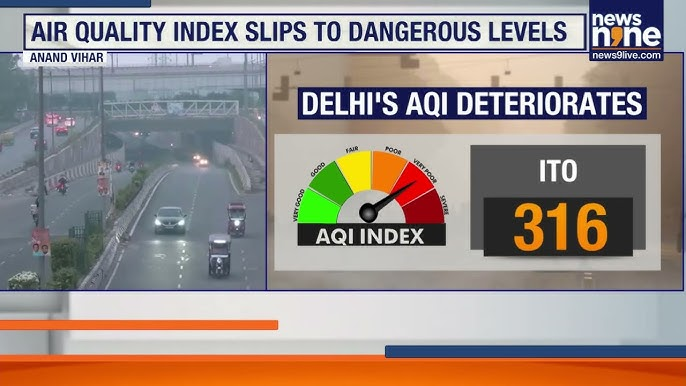
Government Response Falls Short in AQI Crisis
DDC meetings became daily during the AQI crisis, ordering emergency measures like construction bans and truck restrictions. Odd-even vehicle rationing returned amid such desperation, though effectiveness remains questionable. GRAP Stage IV measures proved insufficient against this magnitude.
The Delhi government blamed stubble burning despite the February timing, while Haryana-Punjab pointed fingers at vehicular emissions fueling suffering. The center-state blame game continued as conditions worsened daily. Emergency cloud seeding attempts failed to dent the same.
Political leaders wore masks for photo ops during AQI crisis peaks but skipped substantive policy reforms, which exposes governance failure across pollution control mechanisms and interstate coordination.
Long-Term Solutions Beyond Current AQI Crisis
Electric vehicle mandates must accelerate beyond current AQI crisis promises, targeting 80% EV penetration by 2030. Regional airshed management demands binding Haryana-UP-Delhi agreements to combat sources collectively. Waste-to-energy plants need scaling to eliminate landfill burning, which is causing a pollution nightmare.
Strict industrial relocation outside a 100 km radius remains essential to break AQI crisis cycles permanently. AI-powered real-time emission monitoring can prevent further escalations through predictive interventions. Green hydrogen mandates for industries offer hope against recurring such patterns.
Delhi needs a 10-year AQI crisis survival plan with legally enforceable targets, not seasonal emergency measures. Permanent solutions demand political will beyond headlines, prioritizing children’s right to breathe clean air over development excuses.
-RITOBROTA BANERJEE
MUST READ: Tragic Delhi Car Blast: Unraveling the Devastation and Fight for Justice
