
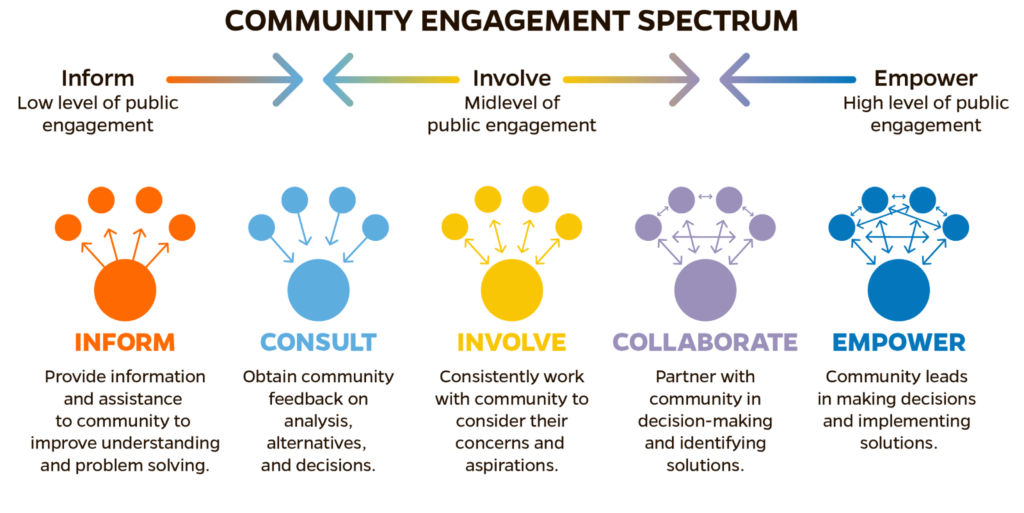
Outreach is one of those things people talk about a lot, but it’s actually more important than it sounds. It’s basically the way groups, schools, and organizations connect with others instead of just waiting for people to show up. When outreach is done well, it helps people feel included and supported. It can also spread information faster and make a real difference in the community. Overall, outreach is like a bridge that helps people meet in the middle.
What Outreach Really Means (And What It Doesn’t)
Outreach isn’t just posting something online and hoping it reaches people. It’s more like actively trying to connect with others on purpose, especially people who might not hear the message otherwise. Sometimes it’s as simple as visiting a neighborhood, talking to families, or handing out flyers at an event. Other times it’s organizing programs, sending emails, or partnering with local groups. The main thing is that outreach is not passive. It takes effort and planning.
Also, outreach isn’t the same as advertising, even though they can look similar. Advertising is usually focused on selling something or promoting a brand. Outreach is more about building relationships and helping people learn, access services, or feel supported. It can still include promotions, but the goal is bigger than just getting attention. It’s about connection and impact. That’s why it matters in schools, nonprofits, and even businesses.
Building Trust Through Real Connections
Trust is a huge part of outreach, because people don’t always trust new programs right away. If a group just shows up once and disappears, people might think it’s not serious. But when outreach happens consistently, people start to recognize the effort. They can tell when someone is actually trying to help and not just doing it for attention. Trust grows slowly, but it’s worth it.
Outreach can also build trust by meeting people where they are. That might mean going to community centers, schools, churches, or places people already feel comfortable. When you approach people in familiar settings, they’re more likely to listen. It also feels more respectful. Instead of saying “come to us,” outreach says “we’ll come to you.” That small difference can change everything.
Reaching People Who Usually Get Left Out
Not everyone has the same access to information, and that’s a problem outreach can help fix. Some families don’t have reliable internet, transportation, or time to attend meetings. Others might feel nervous because of language barriers or past bad experiences. Without outreach, those people might never hear about opportunities at all. And then the same groups keep getting the most help while others stay stuck.
Outreach helps close that gap by making information easier to reach. For example, having translators, providing printed materials, or holding events at different times can make a big difference. Even small changes can help more people participate. It’s also important to listen, not just talk. When people feel heard, they’re more likely to get involved. That’s how outreach becomes fairer and more inclusive.
Spreading Awareness and Correcting Misinformation
One of the biggest benefits of outreach is that it spreads awareness quickly. If people don’t know something exists, they can’t use it, no matter how helpful it is. Outreach helps share details like what a program does, who it’s for, and how to sign up. It also helps answer questions directly instead of leaving people confused. That matters a lot, especially when information online gets messy.
Outreach can also fight misinformation, which is a real issue right now. Rumors spread fast, and sometimes they scare people away from good resources. If an organization communicates clearly and often, it can stop false stories from taking over. Real conversations help too. When people can ask someone face-to-face (or even over the phone), they usually feel more confident. Outreach isn’t just sharing info, it’s clearing things up.
Creating Stronger Communities Through Partnerships
Outreach doesn’t have to be done alone, and honestly it works better when it isn’t. When groups work together, they can reach more people and share resources. For example, a school might team up with a local food pantry or health clinic. A community center might work with volunteers and local businesses. Partnerships make outreach stronger because you’re combining networks.
Working together also shows the community that people care. It looks more organized and more reliable. Plus, different groups know different things. One organization might know the neighborhood well, while another has funding or supplies. When they connect, they cover more needs. Outreach becomes more effective when it’s supported by a team effort.
The Roles of Outreach Leaders and Volunteers
Outreach takes people, and everyone has a role. Outreach leaders usually plan events, organize communication, and decide what the main goals are. They might be teachers, counselors, nonprofit staff, or community organizers. Their job is to make sure outreach isn’t random. They help keep it focused and consistent.
Volunteers play a big part too, even if they don’t have fancy titles. They help talk to people, set up events, hand out materials, and follow up. Sometimes volunteers are the reason outreach feels welcoming instead of official and awkward. They can also relate to others in a more casual way. If someone feels nervous, a friendly volunteer can make things easier. Outreach is basically a group project, and it needs all kinds of helpers.
Turning Outreach Into Action and Real Results
Outreach is only useful if it leads to something real. It’s not enough to “raise awareness” if nobody can actually take the next step. Good outreach includes clear actions like sign-ups, appointments, meetings, or ways to get help. It should make it simple for people to participate. If it’s confusing, people will give up, even if they care.
Real results can look different depending on the goal. It might mean more students joining tutoring programs, more families getting food support, or more people attending mental health workshops. Sometimes the results are smaller but still meaningful, like someone finally asking for help. Outreach can also create long-term change by building relationships that last. When people stay connected, they’re more likely to keep showing up. That’s how outreach turns into impact.
Why Outreach Matters More Than People Think
Outreach can seem like “extra work,” but it’s actually a key part of helping others. Without it, opportunities don’t reach the people who need them most. Outreach makes things feel more fair. It also makes communities stronger because it pushes people to connect instead of staying separated. Even small outreach efforts can lead to big changes.
Most importantly, outreach shows that people matter. It tells a community, “We see you, and we want you included.” That kind of message can be powerful, especially for people who feel ignored. Outreach builds trust, spreads helpful information, and creates real support systems. It’s not just important—it’s necessary. And when it’s done right, it can actually change lives.
– AMEYA BHARDWAJ
MUST READ: KIDS’ NEW BEST FRIEND: THE ALGORITHM
