

The algorithm isn’t just “screen time” in the background anymore—it’s an active presence in kids’ daily lives, shaping what they laugh at, copy, crave, and fear. Unlike TV or even early internet browsing, today’s feeds don’t wait for choices; they predict them. That prediction quietly influences friendships, attention, self-image, and even what feels “normal.” For adults, the hard part is that none of this arrives as a single dramatic moment—it accumulates through thousands of tiny nudges. Understanding that invisible influence is the first step toward giving Kid’s childhood a little more breathing room.
The Algorithm as Kid’s Taste-Maker
For a lot of kids’ interests, the feed is the first curator: jokes, music, fashion, slang, and even “aesthetic” identity. Instead of discovering things through friends, siblings, or community, kids’ preferences can arrive prepackaged and reinforced by repetition. The algorithm doesn’t just show what kids already like—it tests, measures, and doubles down on what keeps them watching. Over time, that can compress curiosity into a narrower lane, where one kind of humor or one “type” of content becomes the default. The result isn’t always negative—kids can find niche hobbies and communities fast. But it does mean taste is less discovered and more delivered.
Kid’s Humor, Accelerated and Outsourced
Kids’ humor changes faster than adults can track because the internet runs on remixing trends at high speed. A punchline isn’t just a joke anymore; it’s a format, a sound, a reaction face, a timing pattern. The algorithm rewards what’s instantly recognizable, so kids learn the rhythm of viral humor early. That can be socially useful—knowing the meme can be a ticket into the group chat. But it can also flatten originality, because repeating what’s already “working” feels safer than experimenting. When humor becomes a performance for likes, kids can start asking, “Will this land?” before asking, “Is this funny to me?”
A Quiet Shift in Values and Beliefs
The algorithm doesn’t directly teach a worldview the way a lesson plan does—it shapes what kids see repeatedly, and repetition can feel like truth. If certain kinds of bodies, lifestyles, relationships, or politics appear constantly, they start to look like the default setting of life. Even when the content is “just entertainment,” the background messages stack up: who gets praised, who gets mocked, what counts as cool, and what counts as weak. Kids can absorb these patterns long before they have the language to question them. Adults may only notice when a strong opinion suddenly pops out at dinner. By then, the algorithm has often been “teaching” for months.
Kid’s Attention Becomes the Product
Platforms aren’t designed primarily to inform kids—they’re designed to keep kids engaged. The feed learns the micro-signals: which clips make Kid pause, rewatch, comment, or spiral into the next video. That creates an environment where calm content struggles, while outrage, embarrassment, and shock travel farther. Over time, kids can start needing higher intensity just to feel interested, like building a tolerance. This doesn’t mean kids are weak-willed; it means the system is optimized for compulsion. And when attention is constantly pulled outward, it becomes harder for kids to build the inward skills—patience, boredom tolerance, sustained focus—that support learning and emotional regulation.
Social Life by Algorithm: Friends, Status, and Comparison
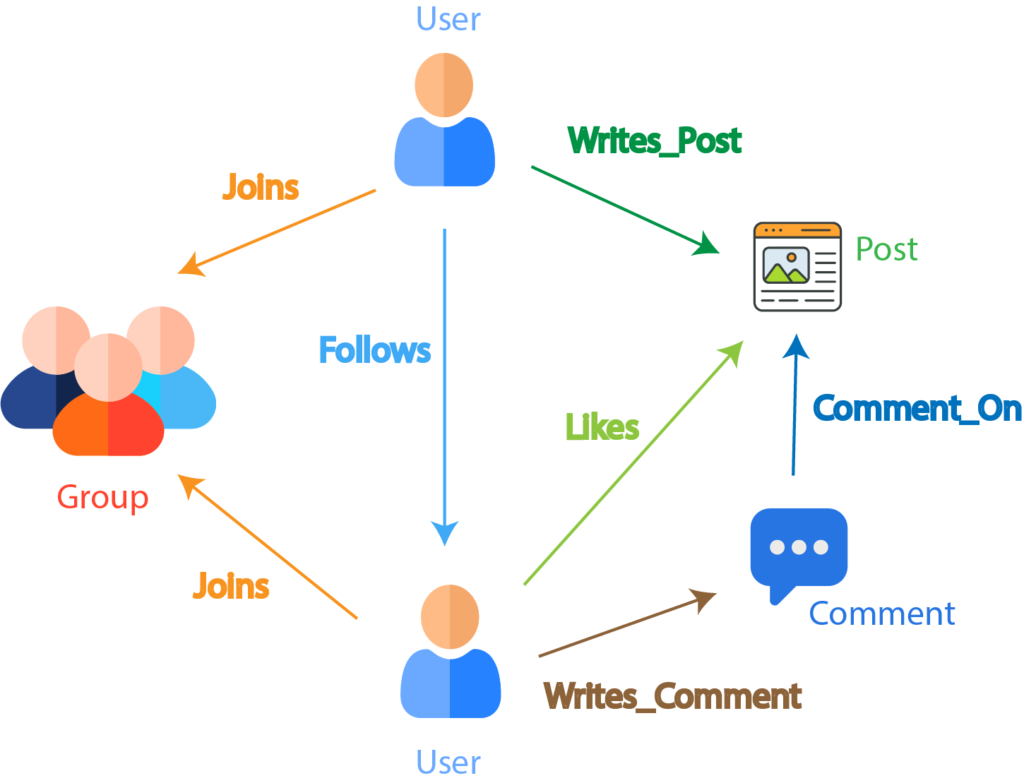
Even when kids use platforms “just to talk,” the algorithm sets the stage for social pressure. What shows up in feeds subtly defines who is popular, what is desirable, and what experiences count as worth posting. That can make ordinary life feel underwhelming, because the highlight reels become the baseline. It also changes friendship dynamics: a joke can become public, a conflict can become content, and a private moment can become a screenshot. The tricky part is that kids aren’t only comparing looks—they’re comparing lifestyles, confidence, and social ease. In that atmosphere, self-esteem can swing on metrics that were never meant to measure a person.
The “Invisible Guardian” Problem: Safety Without Understanding
Adults often lean on filters, time limits, or age ratings, but the algorithm doesn’t follow household rules the way a TV schedule did. Content can slide from harmless to intense through “adjacent” recommendations that look similar on the surface. A cute animal clip becomes a prank video, then humiliation humor, then content that normalizes cruelty—or a fitness video becomes dieting pressure, then body-checking culture. To make this concrete, here are a few common pathways Kids can fall into:
- Cute/relaxing content → extreme stunts → risky imitation
- Self-improvement → “perfect body” loops → shame-based motivation
- Drama commentary → outrage clips → nonstop conflict framing
The point isn’t that every path ends badly; it’s that the system is built for momentum, not wellbeing. Safety tools help, but understanding the recommendation logic helps more.
Reclaiming Agency: Helping Kid’s Choose, Not Just Consume
The most effective response isn’t panic—it’s building Kid’s ability to notice influence and make deliberate choices. That can look like small habits: pausing to name how a clip makes them feel, following creators who teach skills, and unfollowing content that spikes anxiety or envy. Adults can also shift the goal from “less screen time” to “better screen time,” because quality matters as much as quantity. It helps to treat the algorithm like a persuasive friend: sometimes fun, sometimes useful, sometimes manipulative. When kids learn to recognize that persuasion, the spell weakens. The long-term win is not perfect control, but a kid’s relationship with media that includes intention, boundaries, and room for offline life.
– AMEYA BHARDWAJMUST READ:GROWING UP MULTILINGUAL: THE SOCIAL BENEFITS AND CHALLENGES FOR KIDS
