
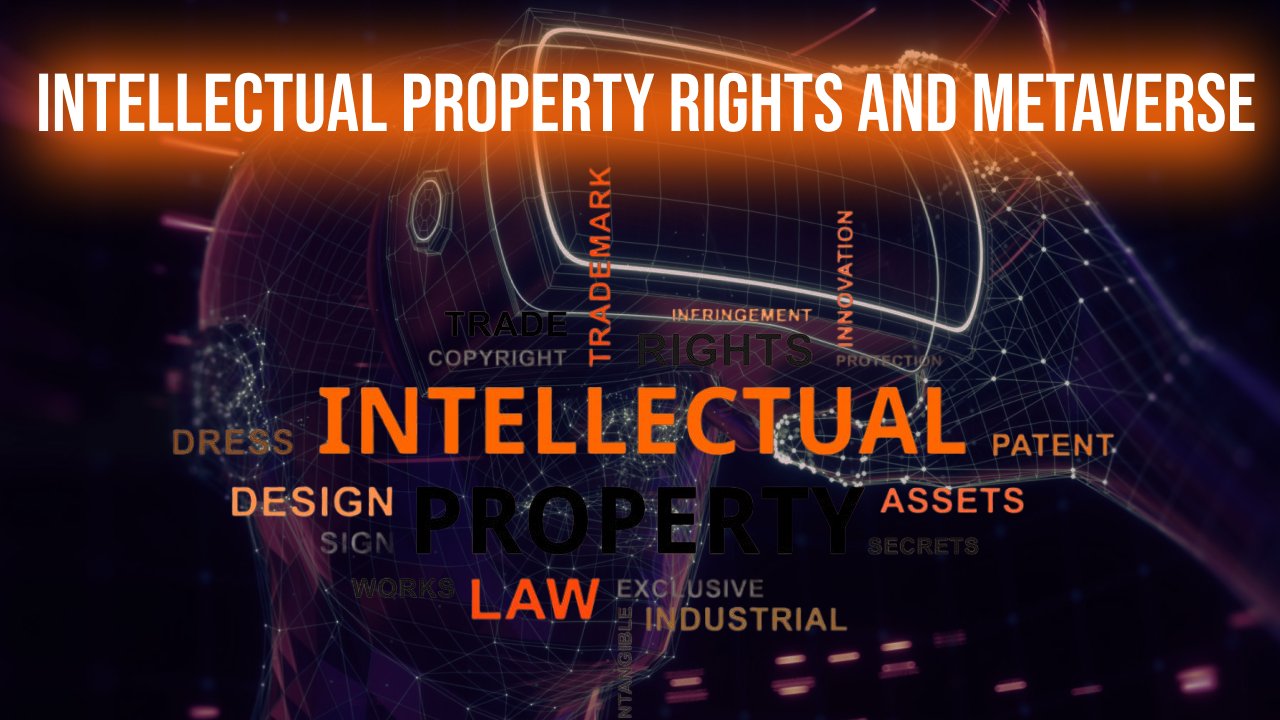
Intellectual property in the metaverse is one of the most fluid areas of modern copyright law that is significantly changing the way ownership, control, and enforcement of creative works in immersive virtual spaces work. As digital engagements change from flat screens to ongoing 3D worlds, intellectual property is the law that supports the innovations and thus is the one that defines who owns virtual art, avatars, NFTs, branded spaces, and other metaverse assets.
Intellectual Property Metaverse Revolution: Reimagining Rights Online
The metaverse is the future of interconnected virtual reality, social platforms, and blockchains that will establish persistent worlds where users create, exchange, and exhibit the creative content they make, thus making intellectual property the core of the economic and cultural ecosystem. Any digital asset, such as a 3D model, virtual fashion, music, or an interactive experience, can be protected through copyright, trademark, and sometimes patent, depending on its nature and use.
Here, intellectual property in the metaverse is not only limited to traditional works that are duplicated online but also covers the metaverse’s natively created ones, such as virtual architecture, immersive environments, and interactive game-like experiences. As platforms become more interoperable, rights holders will have to deal with the fact that there are overlapping laws, platform terms of service, and smart contracts, which all affect how intellectual property is used in these spaces.
Copyright Law Meets the Metaverse: New Dimensions of Protection
Copyright in the metaverse is about the original creations, like virtual paintings, music, animations, and the concept of the virtual world, if they are sufficiently creative and the author is obvious. To a large extent, courts and scholars consider interfaces, 3D environments, and avatar designs as artistic or audiovisual works; hence, unauthorized reproduction, communication to the public, or adaptation in the virtual worlds may constitute an infringement.
Nevertheless, the concept of intellectual property in the metaverse is obscured by the fact that digital assets can be easily duplicated, remixed, and redistributed to different platforms. Violations can occur by cloning virtual items, copying whole environments, streaming protected content in the metaverse, or minting NFTs from copyrighted works without consent, thus raising complicated issues of responsibility for users, platforms, and intermediaries.
NFTs, Ownership, and Intellectual Property in the Metaverse
NFTs have become the primary means of expressing value in metaverses. However, these tokens do not automatically carry the transfer of intellectual property rights to the underlying work. Many buyers wrongly assume that purchasing an NFT gives them full copyright, but in most legal systems, the token only serves as proof of ownership of a particular digital asset or a record on the blockchain. At the same time, copyright remains with the creator unless there is an explicit license or assignment.
This gap leads to cases where intellectual property rights in the metaverse are sold, resold, or used for commercial purposes to a much greater extent than the rights that have been legally granted. Licenses embedded in smart contracts, platform terms, or off-chain agreements thus have a vital role in making it clear to a buyer what they can legally do—show, resell, modify, or commercialize—inside and outside the metaverse.
Trademarks, Brands, and Intellectual Property in Virtual Worlds
One of the main concerns for brand owners is the preservation of intellectual property rights in the metaverse. In this regard, a brand owner’s primary interest lies in the trademarks used on virtual goods, services, and immersive brand experiences. The trademarks in the real world are expected to be extended to the virtual ones; thus, the unauthorized use of logos, trade dress, or branded spaces can be considered an infringement even if the activity takes place in a purely virtual environment.
However, the local nature of trademark laws conflicts with the borderless design of the metaverse; thus, issues of jurisdiction, applicable law, and enforcement are highly challenging. Brand owners need to rethink filing strategies, monitoring mechanisms, and enforcement tools to make sure that intellectual property rights in the metaverse are well-protected against copycat virtual stores, counterfeit digital goods, and confusingly similar avatars.
Enforcement Challenges for Intellectual Property in the Metaverse
It means that the steps to impose intellectual property rights in the metaverse require revealing the anonymous users, following the infringing content that can move from one platform to another, and cooperating with different authorities and platform operators. Conventional takedown tools, notice-and-action mechanisms, and court orders were created for websites and social media, and thus they are not suitable for persistent 3D spaces in which infringing content can be copied and redistributed almost immediately.
As a result, platforms are intensively pressured to insert rights management tools, watermarking, and on-chain verification systems that help the enforcement of intellectual property in the metaverse. The collaboration between right holders, technologists, and regulators is becoming indispensable not only for locating the infringement but also for conceiving governance frameworks that regulate user creativity and provide protection.
Future Pathways: Harmonising Intellectual Property in the Metaverse
The fast growth of metaverse technologies is causing legislators and courts to rethink the old copyright, trademark, and related rights doctrines in the virtual world. A lot of commentators take the view that there should be clearer direction regarding jurisdiction, applicable law, and cross-platform enforcement so that intellectual property in the metaverse can evolve in a consistent manner rather than through a fragmented way of case-by-case rulings.
Meanwhile, there are tech solutions like blockchain-based registries, interoperable licensing standards, and transparent platform governance that can help to bring user expectations in line with the legal reality of intellectual property in the metaverse. To creators, brands, and users, understanding these is getting more and more to be a necessary condition for them to be able to safely innovate, commercialize, and participate in virtual environments that are built on intellectual property.
-Ritobrota Banerjee
MUST READ: Untold Impact of Pets on Emotional Well-being: Transformative Power
