
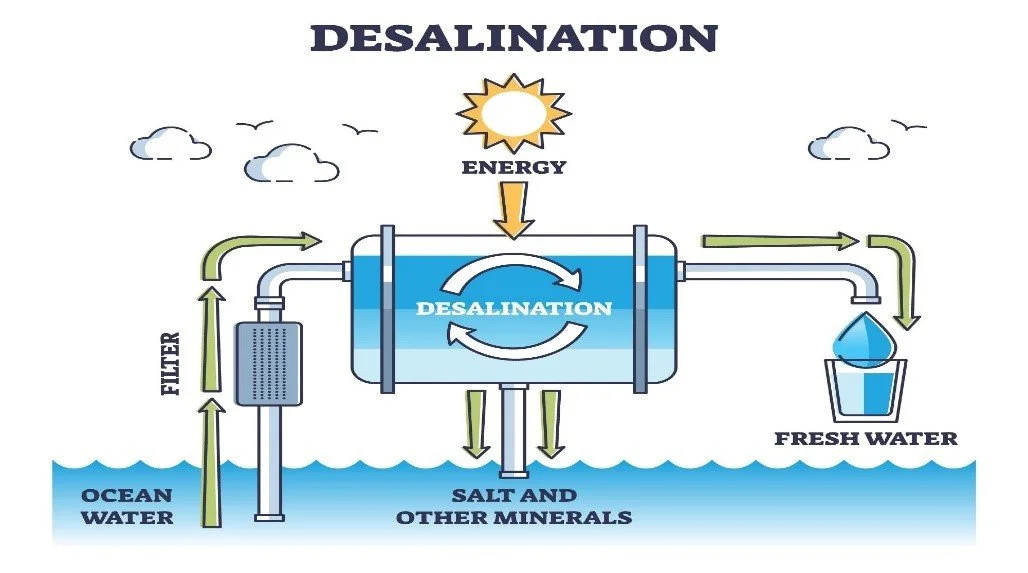
The Global Water Crisis and the Promise of Desalination
With the ever-growing number of people and the rapid depletion of fresh water sources, the planet is facing a progressively severe problem of water scarcity. Desalination , which basically allows for the conversion of salty seawater into a clean and fresh source of water, is therefore rising as a solution to this problem. Nevertheless, the major energy requirements and the increasing operational costs that go along with it make the conventional purification methods, in particular thermal and membrane-based processes, not so attractive.
As global warming continues to make the situation worse by causing more frequent and severe droughts and by putting pressure on freshwater ecosystems, governments and the innovators behind them are journeying to find out what the next steps for desalination are. The coming era belongs to the more efficient and smarter water purifiers that leverage data, automation, and predictive analytics to not only quicken water production but also keep energy usage at the minimum level.
How Artificial Intelligence Transforms Desalination Efficiency
Artificial Intelligence (AI) is changing the game for desalination by making operations more efficient at water plants. AI models analyze real-time desalination levels, membrane pressure, and energy consumption to forecast the most efficient operational conditions. Such smart supervision is lowering the expenses, increasing the time between the parts’ replacement, and making breakdowns less frequent.
AI-powered purification units are not limited to the performance of manually controlled systems, as they are able to carry on with their uninterrupted self-regulation of maximum efficiency. Furthermore, by early spotting of irregularities, they avoid the loss of resources and guarantee the constancy of water purification, thus making purification plants a new kind of technologically equipped, economically sustainable, and naturally reliable system.
Smart Sensors and Predictive Maintenance in Desalination Plants
The core of AI-powered purification includes intelligent sensors that collect numerous data points every minute. These sensors trace water flow, chemical composition, and temperature changes, and then this information is given to the advanced AI models that predict the maintenance requirements.
Desalination membranes and pumps will be equipped with predictive maintenance powered by AI, meaning that they will be serviced only when necessary; thus, the downtime that is costly will be totally avoided. Such an evolution is turning the future purification plants to be more like self-regulating systems—responsive, data-rich, and energy-saving.
Sustainable AI-Desalination Synergy for a Greener Planet
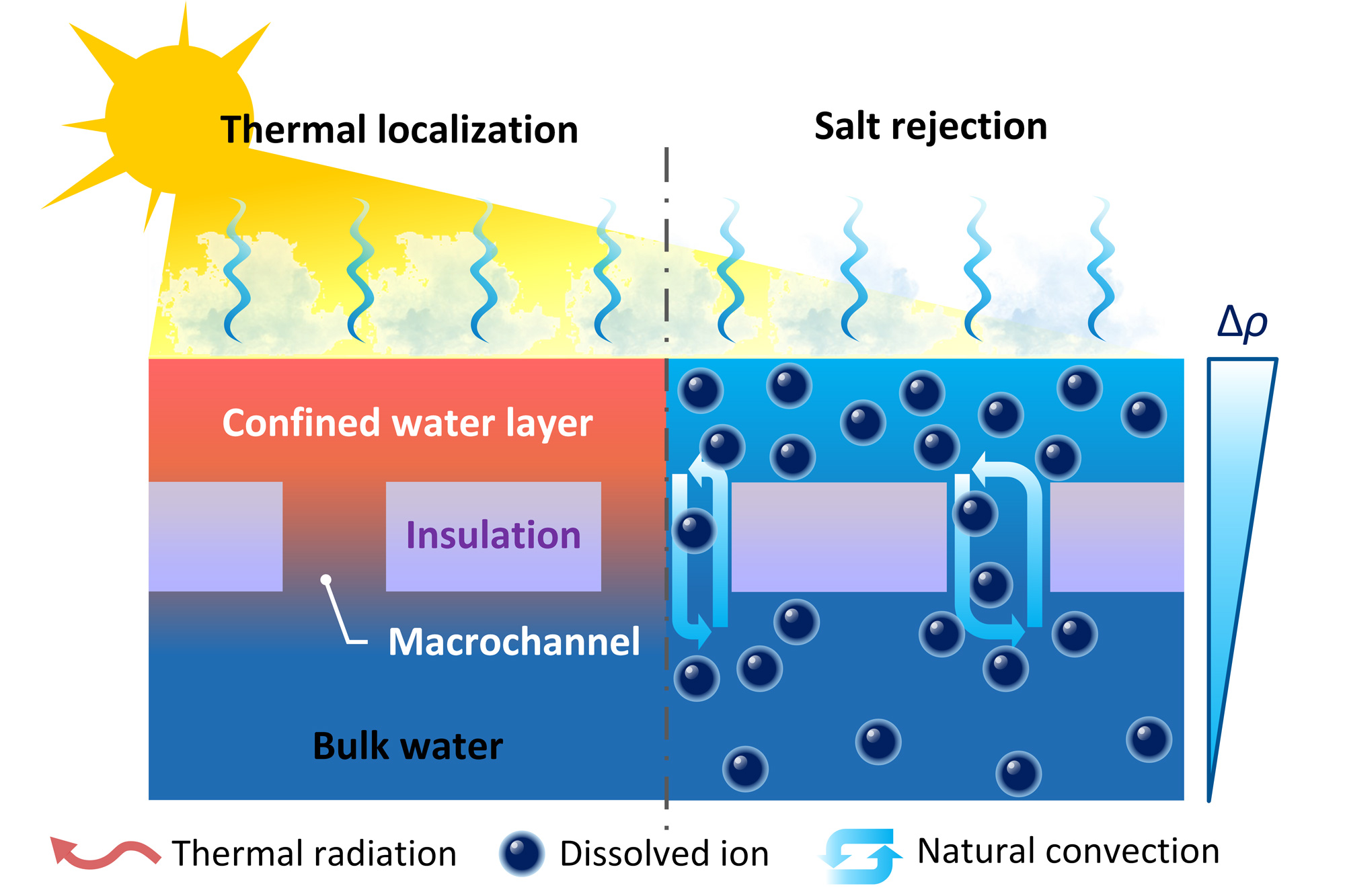
Delving into the root causes of purification, energy consumption continues to be the largest stumbling block. Artificial intelligence (AI) tackles this problem by effectively allocating power loads and facilitating the use of renewable energy in an optimal manner. AI-based algorithms are powering solar-powered purification units to demonstrate that clean energy can provide water on a massive scale without harming the environment.
This combination of AI with desalination is a departure from the conventional methods and a step forward to “green desalination,” which entails reducing waste to the minimum by resupplying brine and making the most of natural energy cycles. The carbon footprint of purification facilities can, therefore, be reduced to a great extent; hence, the conversion of seawater can be both environmentally friendly and economically feasible.
Future Horizons: Autonomous Desalination Systems
Fully autonomous desalination systems that self-learn and adapt to natural factors such as sea temperature and pollutant levels will be the major trend in the coming decade. Such systems will handle power distribution, change membrane performance, and even anticipate local water scarcities.
Equipped with AI, the future purification plants will be similar to smart water factories that are able to forecast, optimize, and react without the need for human intervention. The very first indication of “Desalination 2.0” is that AI is not just making the process of freshwater production more efficient; it is actually the main driver of the global water security future.
Challenges and Ethical Considerations in AI-Driven Desalination
AI-optimized desalination, as promising as it is, raises ethical and technical questions. For example, data privacy, software vulnerability, and unequal access to smart technologies might create new gaps between developed and developing countries.
Solving these problems needs worldwide collaboration so that desalination can be kept as a public good and not a profit-making venture. If there are open algorithms and people act responsibly, then AI can be a real game-changer in making desalination the solution accessible to all.
-Ritobrota Banerjee
MUST READ: Bridging Generations: Building Strong Family Bonds In A Digital Age
