
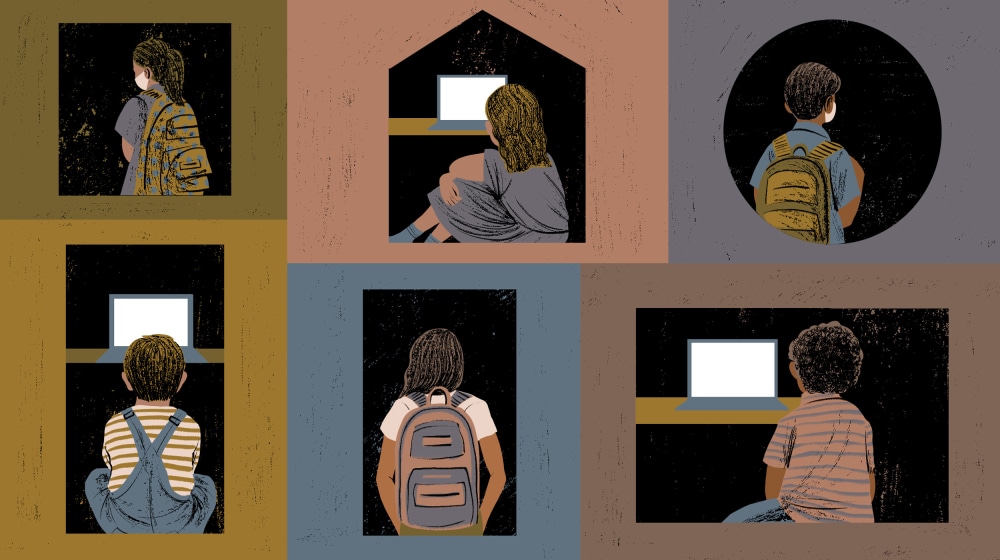
Have you ever walked into a classroom and felt like something was…off? The laughter is quieter. The energy dips after lunch. A few kids seem constantly tired, a few are wired, and many hover somewhere in between. That’s the new normal for a lot of children after COVID. But here’s the hopeful part: we can turn everyday moments—sleep, meals, play, school routines—into supports that help kids heal and thrive.
The New Baseline: Kids’ Mental Health After COVID
Let’s be real: the pandemic didn’t just pass through—it settled in.
- Anxiety, low mood, and stress feel more common. Social isolation and shaky routines left many kids more worried and less steady.
- Sleep is messy. Bedtimes slid later, wake-ups got earlier, and bodies never quite reset, so brains feel foggy in class.
- Pre-existing challenges (ADHD, anxiety, learning differences) often got louder.
- Gaps widened. Kids in under-resourced settings or majority-Black schools often took bigger hits and have a steeper climb back.
None of this means kids are broken. It just means we need to meet them where they are—and build from there.
Learning Loss and Recovery: What Schools Are Seeing Now
Recovery isn’t a straight line. Some students—especially younger grades—regained ground in reading and math. Others stalled out.
- Where loss hit hardest: early grades and schools serving historically marginalized students.
- Where hope lives: targeted, grade-level interventions (not endless remediation) move kids faster than generic review packets.
- The parent problem: many families still don’t get clear, grade-level data about how their child is actually doing.
Quick lift: Make progress visible. A simple, color-coded tracker (skills mastered / in progress / next up) helps teachers plan, kids focus, and families plug in.
Screen Time Habits That Stuck—and How to Undo Them
During lockdowns, screens became school, social life, and stress relief. Those habits didn’t magically switch off.
- What stuck: long daily screen time, mindless scrolling, irregular sleep, and snacking.
- What it costs: more eye strain, less movement, and mood swings.
- What helps: don’t ban; bound. Swap vague “less screen time” for clear “screen windows” (e.g., 4–6pm), device-free meals, and tech-free bedsides.
Two-week reset plan
- Week 1: Move devices out of bedrooms; keep one favorite show/game (not five).
- Week 2: Add a replacement routine (after-school snack + 20-minute walk + 10-minute free draw).
- Keep the tone light. It’s a reset, not a punishment.
Sleep, Nutrition, and Pediatric Care in the Pandemic’s Wake
You don’t need a wellness guru—just a predictable rhythm.
- Sleep: aim for a steady lights-out and dim the house one hour before bed. A simple pattern (bath → book → bed) beats any app.
- Food: bring back breakfast and pair every meal with a fruit or veggie. Keep water bottles visible and refilled.
- Pediatric care: a lot of kids missed visits. Catch-ups can flag vision/hearing issues that masquerade as “behavior problems.”
Tiny wins that compound
- Pack tomorrow’s backpack right after dinner.
- Put a basket of grab-and-go snacks (nuts, fruit, yogurt) at eye level.
- Set one bedtime that applies to school nights—no debates.
Rebuilding Social Skills: Friendship, Play, and Conflict In Real Life
Some children forgot the “little moves” of getting along—taking turns, reading faces, bouncing back after a disagreement.
- Practice through play: unstructured recess, board games, clubs, and partner projects.
- Coach the words:
- “Can I join?”
- “I feel ___ because ___.”
- “Let’s try again.”
- Praise the process: notice kindness, effort, and repair—not just “winning.”
For shy or anxious kids
- Start with one friend, short meetups, clear start/stop times.
- Celebrate small risks: saying hello, asking a question, staying five minutes longer than last time.
Families Under Strain: Care Gaps, Burnout, and Daily Routines
Caregivers are tired. Work shifted, money got tight, child care vanished, and somehow lunch still needs packing.
- Simplify the week: pick two weeknight meals on repeat.
- Share the load: kids can portion snacks, lay out clothes, or set the table.
- Build micro-rests: ten minutes of quiet reading counts.
- Ask for help: carpools, shared babysitting, after-school programs—it takes a web, not a hero.
When the home rhythm steadies, kids feel safer. Safety fuels learning.
What’s Working: Community Supports, School Tools, and Policy Fixes
Programs that meet real needs—not just ideals—actually move the needle.
- During-the-day tutoring beats optional, after-hours sessions.
- After-school clubs with homework help + sports/arts support both minds and moods.
- Mental-health check-ins and calm spaces lower behavior blowups.
- Policy boosters like expanded school meals, transportation, and summer learning reduce chaos for families.
Design rules that stick
- Make sign-ups short and multilingual.
- Put supports where students already are (cafeteria, advisory, homeroom).
- Track one or two outcomes (attendance, on-time work) and iterate fast.
Building a Sustainable Response: Who Partners With Whom
We don’t need to invent everything from scratch. Leaning on community and philanthropy, this recovery depends on smart partnerships.
- Schools: schedule-embedded tutoring, social-emotional learning, and family data nights.
- Community orgs: after-school programs, sports/arts access, weekend food support.
- Health systems: school-based clinics, telehealth blocks, vaccination catch-ups.
- Local government: transit passes, library hours, park safety, summer jobs.
- Philanthropy & business: mini-grants for clubs, devices for check-ins (used wisely), micro-stipends for parent leaders.
Funding formula (simple)
- Start small (one grade, one program).
- Measure what matters (attendance, grades, behavior referrals).
- Publicize wins; braid funds; expand.
Real-Life Snapshots: What Recovery Looks Like
- “Calm Corner + Check-Ins” (Elementary): a teacher adds a feelings chart, sand timer, and beanbag. Office referrals drop; reading time rises.
- “Walk-Talk Lunch” (Middle): once a week, students walk a loop with staff and friends. PE participation improves; conflicts cool down.
- “Family Skill Nights” (K-8): short sessions on bedtime routines, homework zones, and conversation starters. Attendance climbs; late slips fall.
- “During-Day Math Boost” (K-5): 20-minute targeted tutoring tied to class lessons. Students make twice-as-fast gains as after-school only.
None of these are flashy. All of them work.
Conclusion: From Surviving to Stronger
The quiet epidemic isn’t kids being “behind.” It’s kids carrying more than before. The fix isn’t a silver bullet; it’s a stack of small, steady moves—predictable sleep, simple meals, practiced friendship, in-school supports, and community webs that hold. When we turn everyday routines into recovery tools, we don’t just help children catch up—we help them grow up with confidence, connection, and joy.
– AMEYA BHARDWAJ
