

What the Offline Life Backlash Actually Looks Like
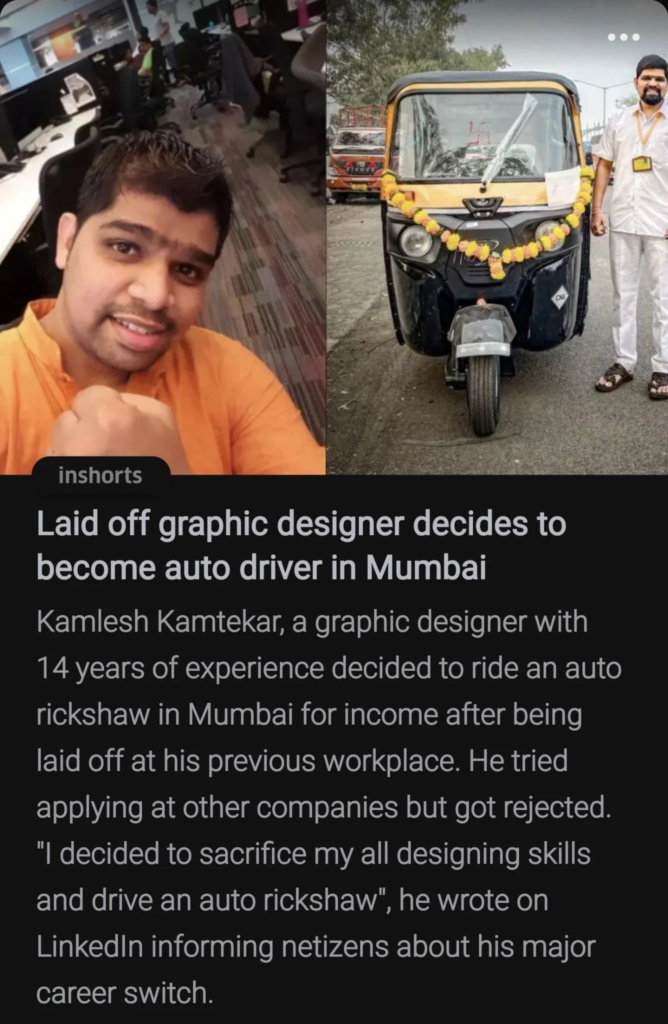
The offline-life backlash manifests in many forms: a Delhi-based IT professional renting out their flat and moving back to their native town, a 28-year-old graphic designer swapping Mumbai for a quieter tier-2 city, or a couple leaving corporate salaries to run a small travel stay in the hills. In each case, the core move is the same: stepping away from the big-city “hustle” and into a vigor with fewer hours on the commute, less sensory overload, and more control over time and space. This is the offline-life backlash in practice—voluntary simplification, not just retreat.
The Rise of the Offline-Life Backlash
For many, this shift comes after burnout: panic attacks, chronic insomnia, or repeated health checks that force them to question whether the rewards of the city are worth the cost. The offline-life backlash then becomes a rebellion against the expectation that “you must live in Delhi/Mumbai/Bangalore to be serious about your career.” People realize that stability, mental peace, and family time are themselves forms of capital, and the offline-life backlash is their way of investing in that.
Why the Big-City Hustle Is Losing Its Charm
For decades, Indian youth have been told that big‑city vitality is the only path to upward mobility, better salaries, and exposure to “global standards.” But now, a growing number of people feel that the hustle is no longer worth it. The daily grind of long commutes, congested roads, and high-cost micro-apartments eats into energy, health, and relationships, leaving little room for real living. The offline-life backlash is the collective response to this realization: that you can be ambitious without being exhausted.
Remote work, stable internet, and digital payment ecosystems have made it possible for some to keep their earnings, or even grow their income, while living in smaller towns or villages. This loosens the traditional link between “big company” and “big city,” enabling the offline‑life backlash to spread. Younger professionals now openly ask, “Why pay 30,000 for a 1-BHK near an office when you can rent a proper house with a balcony in a tier-2 town for under 10,000 and still work for the same multinational?”
Downsizing, Rent‑Stress, and the Cost of Urban Life
One of the driving forces behind the offline-life backlash is the rising cost of urban real estate. In cities like Delhi, Mumbai, and Bengaluru, rent, EMIs, and maintenance charges consume a huge chunk of income, often forcing families into cramped, noisy, and poorly ventilated spaces. The pressure to “invest in property” in the city, often backed by loans and family savings, can trap people in 10–20-year debt cycles, even as job security itself feels fragile. In this environment, the offline‑life backlash appears not as a lazy escape but as a rational recalibration.
Moving out allows many to downsize: fewer rooms, more green space, a slower pace, and often a lower debt burden. Sometimes, people move into extended‑family homes, cutting rent entirely and reinvesting those savings into education, health, or small‑scale local business. This is the core of the offline‑life backlash—consciously choosing a materially “smaller” vitalitythat feels psychologically and emotionally larger. The backlash is less against cities themselves and more against the city-hustle cost that has made urban life unsustainable for the average person.
Mental Health, Burnout, and the Quiet Rebellion
The offline-life backlash is also a mental-health-driven trend. Reports of anxiety, depression, burnout, and even suicidal ideation among young urban professionals have pushed many to re‑evaluate their priorities. The constant comparison with peers on social media, the pressure to upskill, and the fear of being “left behind” create a low‑grade panic that never really switches off. The offline-life backlash is, in many ways, a quiet rebellion against this 24/7 performance culture.
People who move out often report better sleep, fewer panic attacks, and stronger family bonds. Without the noise of traffic, 11‑p.m. meetings, and endless WhatsApp groups, their nervous systems get a chance to reset. The offline-life backlash then shows that healing is not only about therapy but also about the environment: the design of your home, your neighborhood, and your daily rhythm. It reframes “mental health care” as a spatial and lifestyle choice, not just a clinical one.

Work, Money, and the Myth of the “City‑Only” Career
Another misconstrued aspect of the offline‑life backlash is that it is “anti‑career.” In reality, many people who downsize are still working full-time, running businesses, or freelancing—just not in the big-city ecosystem. Digital platforms, e-commerce, content creation, and remote jobs have made it possible to sustain or even grow income from tier-2 towns, small districts, or even semi-rural areas. The old assumption that “serious work” only happens in crowded‑city office parks is being dismantled by the offline‑life backlash.
This shift also exposes the gap between earning and living. In cities, many earn high salaries yet live paycheck to paycheck because of rent, transport, food delivery, and “urban lifestyle” expenses. The offline-life backlash highlights how a smaller salary in a cheaper town can generate more net savings and a better quality of vitality. It forces a conversation about what “career success” really means: is it a big title on a resume or a morning you can actually enjoy, a walk you can actually take, and a family meal you can actually share?
The Future of the Offline Life Backlash
The offline-life backlash is still in its early phase, but its implications are far-reaching. If more people continue to leave big cities, it could change the real estate market, transportation infrastructure needs, and even politics, as power and voter blocs decentralize. The backlash may also push businesses to rethink remote-work policies and governments to strengthen local infrastructure such as hospitals, schools, and internet connectivity in smaller towns.
At an individual level, the offline‑life backlash offers a template for a new kind of adulthood: one that values mental peace, family time, and environmental harmony over sheer material accumulation. It shows that the antidote to the hustle culture is not necessarily a new city but a new definition of good vitality. The offline-life backlash may, in the future, be remembered not as a trendy lifestyle niche but as a quiet, widespread rejection of urban exhaustion and a rediscovery of human-scale living.
-RITOBROTA BANERJEE
MUST READ: NEET Paper Leak 2026: A Shocking Betrayal and the Road to the Retest
