
What Vulnerability Means in 2026
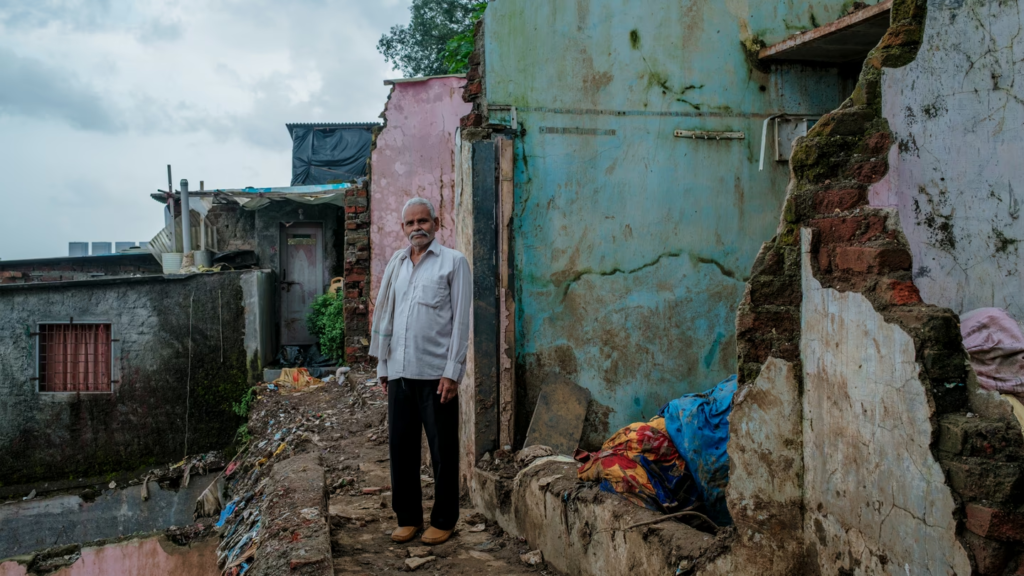
Climate vulnerability in 2026 is no longer a technical term from climate reports; it describes the lived experience of families who lose houses, livelihoods, and health in every new flood, storm, or heatwave. For the urban slum dweller, climate vulnerability means living on stilts by a river that floods more often, with no insurance, no backup home, and no access to emergency cash. For the farmer in a drought‑prone district, it means watching a single erratic rainfall window decide whether children can continue school that year.
Unlike richer households, poor families rarely have surplus income, savings, or diversified jobs to cushion shocks. When a heatwave shuts down construction work or a storm knocks out electricity and water supply, climate vulnerability spikes immediately. The cost is not just in rupees or dollars—it is in children pulled out of school, rations skipped, and medical care delayed. In 2026, climate vulnerability is a multi-layered trap that turns extreme weather into long-term poverty.
Heatwaves, Water Shortages, and Urban Poor
In many Indian and African cities, 2026 has brought record‑breaking heatwaves that expose the climate vulnerability of informal workers and slum communities. Daily‑wage laborers must work in the scorching sun because they depend on daily cash; staying at home due to heat means no income and no food. Simple things like shaded public spaces, shaded water points, and community‑run cooling centers can substantially reduce climate vulnerability, but such measures are often absent in the poorest neighborhoods.
Water scarcity during heatwaves further deepens climate vulnerability. When municipal supply becomes irregular, middle‑class homes rely on purchased water tankers or borewells, while the urban poor either queue for hours at public taps or buy water at inflated prices. This unequal burden means that for the same extreme‑weather event, poorer families face higher health risks, higher expenses, and longer‑term physical and social damage. Climate vulnerability thus translates into higher stress, lower immunity, and more frequent hospital visits for children and elders.
Cyclones, Floods, and Rural Poor
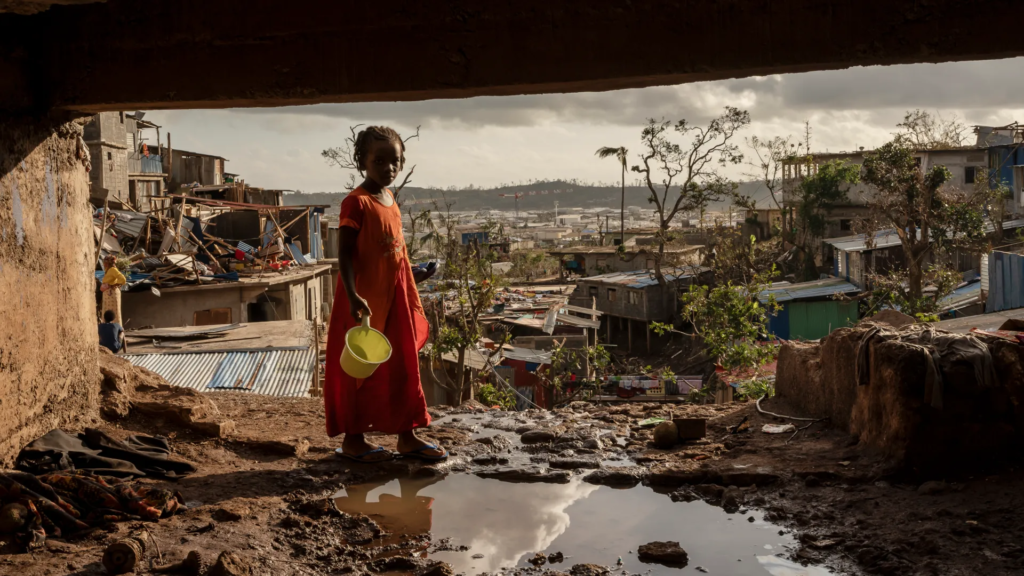
Rural areas, especially low‑lying districts along deltas and coasts, see climate vulnerability manifest in cyclones, floods, and repeated evacuation‑driven displacement. In 2026, when a cyclone hits, farmers often lose standing crops, small‑holding livestock, and stored grain, wiping out months of income in a single day. Fishing communities lose boats, nets, and shore-access points, plunging them into hunger and debt just as recovery costs begin.
Crucially, the climate vulnerability of the rural poor is not only about the storm itself but also about the slow recovery phase. Many rural homes are built with temporary or low-cost materials to keep expenditure low, which makes them more likely to be damaged. Rebuilding requires cash, credit, and time that are hard to come by, so families often cut food, healthcare, or children’s education to survive. In 2026, this pattern is no longer incidental; it is a structural feature of climate vulnerability in disaster-prone regions.
Gender and Child Dimensions of Vulnerability
Women and children bear a disproportionate share of climate vulnerability in 2026. When families flee floods or cyclones, women often carry younger children, ensure older children are not left behind, and manage food and medical needs while men focus on physical rescue or temporary jobs. In heat‑stressed households, women frequently cut their own meals and water intake to protect children and the elderly, silently absorbing the health toll of climate vulnerability.
For girls, climate vulnerability often means interrupted schooling: when floods damage schools or when families reallocate funds to rebuilding, girls’ education is the first to be dropped. In many drought‑affected areas, girls’ workload rises as they walk longer distances to fetch water, making school attendance irregular. The long‑term impact is that climate‑vulnerability reinforces existing gender inequalities instead of reducing them, turning temporary disasters into permanent setbacks for women and children.
Finance, Insurance, and the Cost of Vulnerability
Financial systems are only beginning to adjust to the reality of 2026‑style climate vulnerability. Insurance schemes for small farmers, informal workers, and slum residents remain patchy or unaffordable, so most poor families have no formal safety net. When a storm destroys a tiny vegetable shop or a roadside tea stall, the owner cannot approach a bank for affordable reconstruction loans; instead, they borrow from local moneylenders at high interest, entrenching their climate vulnerability in cycles of debt.
Governments and international agencies talk about “climate‑resilient” investments, but in practice, many of these are channelled to big infrastructure projects rather than small‑scale, community‑level protection. Poor families see the contrast: multi‑story flyovers get climate‑proofing funds, while their own lanes and houses do not. This unequal distribution of adaptation investment makes poor communities the default bearers of climate vulnerability, absorbing the cost of extreme weather in health, assets, and dignity.
What Can Break the Cycle of Climate Vulnerability?
Breaking the cycle of climate vulnerability in 2026 requires both policy change and local action. On the policy side, governments need to mainstream climate vulnerability into disaster planning, urban development, and social security schemes, ensuring that the poorest are prioritized in relief, early warning systems, and housing upgrades. Investment in early‑warning networks, better‑built shelters, and climate‑smart agriculture is not charity; it is risk‑reduction that protects the tax base and the health system as well as the poor.
At the community level, climate vulnerability can be reduced by simple but targeted supports: micro-insurance for small-scale farmers, community-run savings groups, school feeding tied to weather contingency, and gender-sensitive disaster training. In 2026, the evidence is clear: climate vulnerability is not destiny; it is a policy choice. When decision-makers finally recognize that poor families should not be the default shock absorbers of extreme weather, the balance of adaptation finance, housing standards, and social protection can begin to shift toward justice and resilience.
-RITOBROTA BANERJEE
Must Read: SK Children Foundation: Building Powerful Education Growth for Underprivileged Children
