How SK Children Foundation Began
SK Children Foundation was founded in 2016 by Raghav Sharma with a simple vision: to bring quality education to children who could not access traditional schools. What began as a handful of children studying in a public park slowly evolved into a structured, volunteer‑driven program with a clear mission: education for every underprivileged child. Volunteers took turns teaching basics like reading, writing, and math, often after their own office hours and weekend chores.
Within a few years, SK Children Foundation developed a core team of teachers, coordinators, and donors, allowing it to formalize its processes and expand beyond that one park location. The NGO’s early batches of students gradually entered formal schools or continued with SKCF‑run free classes, creating a proof of concept that this model could scale. This phase laid the groundwork for the larger 5‑year impact analysis you now see.
Growth in Enrollment and Reach
By 2026, SK Children Foundation reports that over 1,000 underprivileged students have been taught by its volunteers, with physical and digital classrooms running across 10 Indian states. The NGO’s reach has expanded from Delhi‑centric operations into a network that supports children from Thiruvananthapuram to Dehradun, using online classes to bridge distance and mobility gaps. This multi-state footprint reflects how SK Children Foundation has turned local intensity into national scalability.
Beyond raw numbers, the 5‑year analysis shows increasing student retention and completion rates. Many SKCF learners have passed from primary classes into upper-primary and secondary levels, sometimes rejoining government schools or staying within the NGO’s bridge courses. The consistent presence of SK Children Foundation has helped these children navigate exams, school‑transfer procedures, and even vocational‑guidance conversations, making education a realistic pathway out of poverty.
Education Models: Free School and Virtual Classes
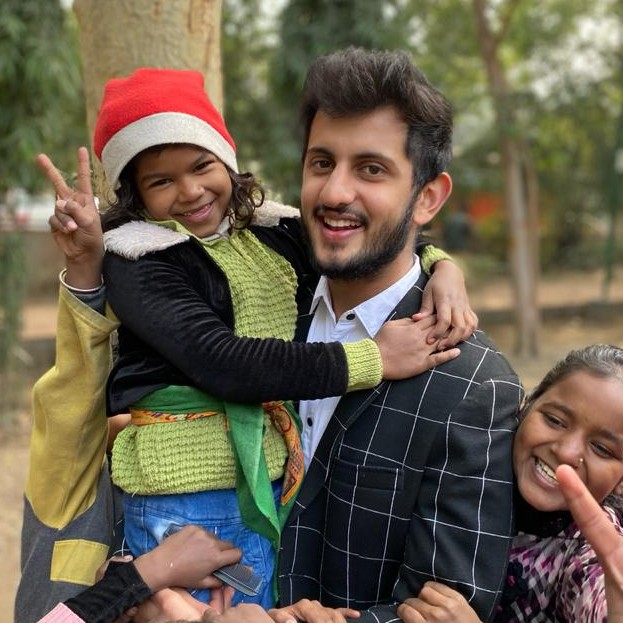
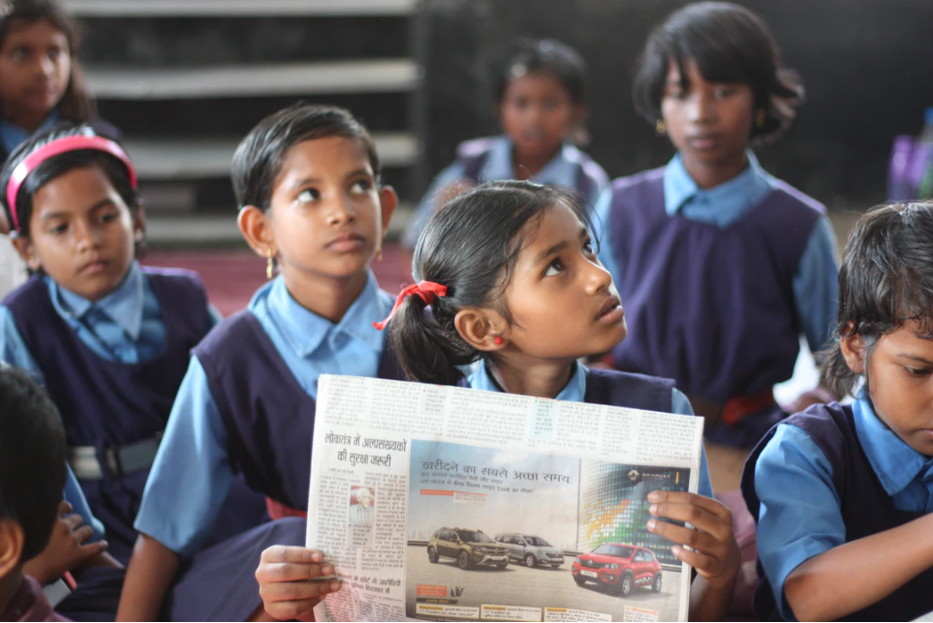
A defining feature of the SK Children Foundation is its dual‑mode delivery: free offline schools in or near underserved communities and free virtual classes for those who cannot attend physically. The in-person centers act as safe, structured spaces where children come daily for lessons, activity-based learning, and emotional support from trained volunteers. These spaces mimic mini‑classrooms with clear timetables, low teacher‑student ratios, and basic learning aids.
Meanwhile, the virtual‑class model, strengthened during and after the pandemic, allows SKCF to reach slum‑based and rural children who must work or help with household chores during the day. Recorded sessions, worksheets, and WhatsApp‑based doubt‑solving ensure that whenever a child can connect, they are not left behind. Over the 5‑year window, this hybrid model has become one of SK Children Foundation’s most resilient strategies, balancing accessibility with academic continuity.
Holistic Development and Extracurricular Impact
SK Children Foundation does not limit itself to textbooks; it invests in the holistic development of children through sports, arts, and life skills training. Drawn‑from‑life case studies—like Prince in Class 4 or Nidhi moving from Class 5 to Class 6—show how SKCF’s supportive environment helps students overcome personal and environmental challenges to stay in school. These stories are embedded in the 5‑year impact narrative, not as isolated exceptions but as patterns of success.
In newer centers, SKCF has even created playrooms with toys, safe mats, and creative corners, recognizing that play is as important as academics in early childhood development. Nutrition drives, clothing distribution, and occasional bed distribution partnerships with corporate donors add a layer of dignity and stability to children’s daily lives. Collectively, these elements show that SK Children Foundation sees education as a bundle of opportunities rather than a single classroom hour.
Community Trust and Long‑Term Partnerships
The 5‑year analysis also reveals how SK Children Foundation has built strong community trust: local parents, anganwadi workers, and school teachers increasingly refer children to SKCF centers and online classes. When families see consistent attendance, confidence in learning, and visible progress in report cards, they are more likely to encourage schooling over early labor. This social validation has helped SK Children Foundation open new centers and sustain existing ones even with modest budgets.
Partnerships with institutions and corporates—such as the bed‑distribution collaboration with Hilti India—further validate the NGO’s reputation as a reliable, transparent partner for social‑impact projects. These alliances are not one‑off events; they often evolve into multi‑year engagements, adding infrastructure, supplies, and volunteer support that allow SK Children Foundation to maintain quality without compromising scale.
What the Next 5 Years Can Look Like
The 5‑year impact of the SK Children Foundation suggests that the next phase can be even more ambitious: deeper integration with government schooling systems, stronger digital learning platforms, and expanded focus on adolescent vocational training and career guidance. If SKCF can sustain its current model while tightening data collection on learning outcomes and graduation rates, it may become a model case study for other small‑scale NGOs.
More importantly, the 5‑year journey proves that consistent, volunteer‑driven work at the grassroots can genuinely change the life trajectories of underprivileged children. As India aims for universal education under SDG‑4, entities like SK Children Foundation fill critical gaps that state systems alone cannot. The 5‑year story is not an end; it is a platform from which SK Children Foundation can amplify its impact in the years to come.
-RITOBROTA BANERJEE
MUST READ: Rising Loneliness in 2026: The Paradox of Connection
