
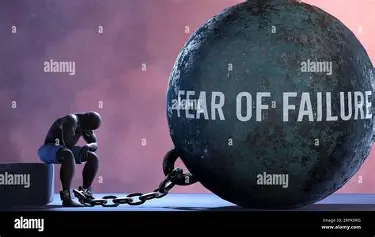
Have you ever experienced this? You know the answer in your classroom, but still do not raise your hand because you are scared of giving the wrong answer? Have you ever thought of something unique but did not try to implement it because you kept thinking, “What will others think if I fail?” Failure is something everyone experiences, yet we often treat it as something we should avoid at all costs. A bad test score, a rejected idea, a missed opportunity or even a simple mistake can sometimes feel much bigger than it actually is.
It might make us think that we are of no use or that we are not meant to do such things. Failure is common to all. Everyone fails somewhere in their lives, but often, it simply makes us believe that we are not good enough.
But what if failure is not the opposite of success? What if it is simply one of the ways we learn how to reach it?
Why Are We Afraid of Failure?
Have you ever thought about what we are actually afraid of when we fear failure?
One reason can be that achievements are always celebrated and praised, but failure is neither celebrated nor appreciated. Due to this, a person can lose confidence and never try again. But what if we start appreciating the hard work a person has put in rather than only judging the outcome? What if we motivate people to never give up and teach them that failure can be a part of the journey towards success?
Failure also helps us come across our weaknesses and understand where we need to improve. Instead of making someone feel bad about an unsuccessful attempt, we can help them learn from it.
It is easy for others to taunt us, but only the people who truly care for us will motivate us to strive for the best.
The Pressure We Put on Ourselves
For students, this pressure can be even stronger. A single low mark can feel like a judgement of our abilities. We may start comparing ourselves with our classmates and wondering why someone else performed better.
Instead of asking, “What can I learn from this?” we sometimes ask, “What will everyone think of me?”
Fear of failure does not only affect what happens after we make a mistake. Sometimes, it stops us from trying in the first place.
When we are too afraid of failing, we may never come out of our comfort zone. We may avoid answering questions, participating in competitions, sharing ideas or trying something new simply because we are worried about what others might say.
But if we never take that first step, how will we ever know what we are capable of?
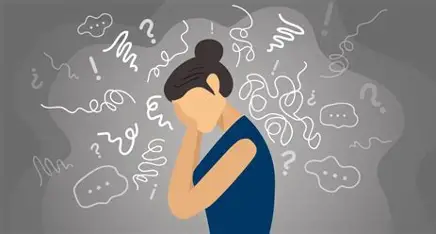
What Failure Can Teach Us
Success feels good, but failure often teaches us more about ourselves.
When something does not work, we are forced to stop and think. What went wrong? What could we have done differently? What should we try next time? These questions can help us improve in ways that an easy success sometimes cannot.
A failed attempt can teach patience, problem-solving and resilience. It can also show us that being wrong about something does not mean that we are incapable of learning it.
Failure can become a teacher if we are willing to listen to it.
What If We Had Given Up?
Think about how many successful people had to face difficulties before achieving their goals. Building a successful company requires years of hard work, risks and decisions, and not every decision works out perfectly.
Take Dhirubhai Ambani as an example. He faced many challenges while building his business. If he had given up on his dreams because he was afraid of failure, the Reliance Group we know today might never have been built.
His journey reminds us that success is rarely created in one attempt. It is often built through years of effort, learning and the courage to continue even when things do not go according to plan.
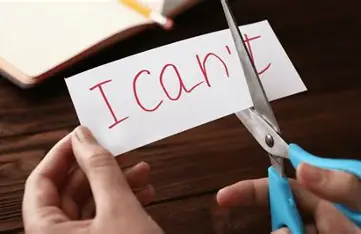
Failure Should Not Define Us
Failure can hurt. It can be embarrassing, frustrating and disappointing. But never trying can leave us with a different question:
“What could I have achieved if I had simply tried?”
Perhaps the goal should not be to create a life without failure. That is impossible. The goal should be to create a mindset where failure does not stop us from learning, improving and trying again.
We should learn to appreciate effort, encourage people after setbacks and understand that one unsuccessful attempt cannot define a person’s abilities.
Because making a mistake does not mean we are a failure. It simply means we are still learning.
And sometimes, the biggest failure is not getting something wrong—it is allowing the fear of getting it wrong to stop us from trying at all.
– Charvi Jain
MUST READ: When Technology Knows You Better Than You Know Yourself
